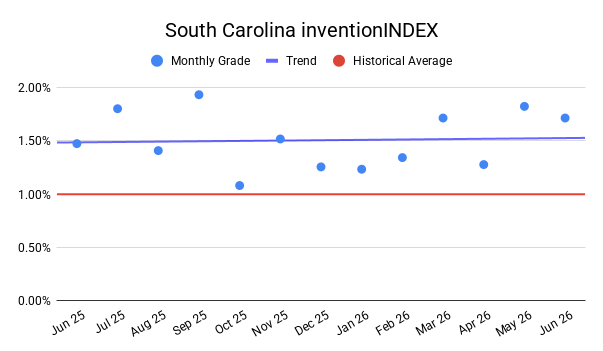
The United States federal and South Carolina state Research and Development (R&D) tax credits offer highly lucrative statutory incentives for enterprises conducting qualified technological experimentation within the region. [cite: 1] This comprehensive study meticulously details the legislative frameworks, administrative legal precedents, and the precise application of these financial mechanisms to five distinct industries that have uniquely evolved on Hilton Head Island, South Carolina. [cite: 1]
The United States Federal Research and Development Tax Credit Legislative Framework
The United States federal Research and Development tax credit was originally introduced by Congress through the Economic Recovery Tax Act of 1981. [cite: 1] The primary legislative intent behind this provision was to halt the decline of American investment in technological innovation and to ensure that domestic enterprises remained fiercely competitive within an increasingly globalized macroeconomic environment. [cite: 1] Currently codified under Internal Revenue Code (IRC) Section 41, the federal R&D tax credit provides a dollar-for-dollar reduction in a taxpayer’s federal income tax liability for qualified research expenses (QREs) paid or incurred during a given taxable year. [cite: 1] Following decades of temporary extensions, the credit was permanently enshrined into the federal tax code by the Protecting Americans from Tax Hikes (PATH) Act of 2015, fundamentally cementing its role as a cornerstone of corporate fiscal strategy and long-term capital planning. [cite: 1]
The Statutory Four-Part Test for Qualified Research Activities
The legal threshold for determining whether a taxpayer’s activities generate eligible QREs is governed by a rigorous statutory framework colloquially known as the “Four-Part Test,” which is strictly outlined in IRC Section 41(d). [cite: 1] The tax law mandates that all four distinct criteria must be satisfied concurrently for the underlying activity to be deemed qualified research. [cite: 1] The failure to meet even a single criterion completely disqualifies the activity and its associated expenditures from the credit calculation. [cite: 1]
The first criterion is the Permitted Purpose, also referred to as the Business Component Test. [cite: 1] The research undertaken by the taxpayer must be explicitly intended to discover information utilized in the development of a new or improved business component. [cite: 1] The Internal Revenue Code defines a business component as any product, process, computer software, technique, formula, or invention that is to be sold, leased, licensed, or used by the taxpayer in the active conduct of a trade or business. [cite: 1] Furthermore, the intended improvements must relate specifically to the function, performance, reliability, or quality of the business component. [cite: 1] Enhancements that relate merely to style, taste, cosmetic alterations, or seasonal design factors are explicitly excluded by statute, as they do not represent a genuine advancement in capability. [cite: 1]
The second criterion dictates that the activity must be Technological in Nature. [cite: 1] The process of experimentation performed by the taxpayer must fundamentally rely on the principles of the hard sciences, which the Internal Revenue Service strictly defines as physical sciences, biological sciences, computer science, or engineering. [cite: 1] Consequently, research conducted in the social sciences, arts, humanities, economics, or business management is statutorily disqualified from credit eligibility. [cite: 1]
The third criterion requires the Elimination of Technical Uncertainty. [cite: 1] At the outset of the research project, the taxpayer must encounter definitive technological uncertainty regarding either the capability of developing the business component, the optimal method or methodology for developing the business component, or the appropriate structural design of the business component. [cite: 1] If the knowledge to achieve the desired result is already readily available to the taxpayer’s engineers or within the public domain without the need for empirical testing, no technical uncertainty exists under the law. [cite: 1]
The fourth and final criterion requires a deliberate Process of Experimentation. [cite: 1] The taxpayer must engage in an evaluative, scientific process explicitly designed to eliminate the identified technical uncertainty. [cite: 1] This process fundamentally involves identifying the uncertainty, formulating one or more hypotheses or alternatives, performing extensive testing, computer modeling, simulation, or systematic trial and error, and subsequently refining the design based on the empirical results obtained. [cite: 1] Recent judicial scrutiny, most notably the Little Sandy Coal tax court case, serves as a stark warning to taxpayers that they must maintain thorough, contemporaneous documentation that unequivocally ties the specific process of experimentation directly to the distinct business component being developed. [cite: 1]
The Anatomy of Qualified Research Expenses
When an activity successfully satisfies the stringent requirements of the Four-Part Test, the taxpayer may capture the costs associated with that activity as Qualified Research Expenses under IRC Section 41(b). [cite: 1] The tax code segregates eligible expenditures into three primary statutory buckets. [cite: 1]
The first bucket encompasses Wages. [cite: 1] Taxpayers may capture the W-2 taxable wages paid to internal employees who are engaged in the direct performance, direct supervision, or direct support of qualified research activities. [cite: 1] The allocation of these wages must be calculated based on the precise percentage of time the employee dedicates to the experimental process. [cite: 1] The second bucket involves Supply Costs. [cite: 1] This includes any tangible property or materials that are directly used and consumed during the research process, such as prototype materials, chemical reagents, or testing hardware. [cite: 1] Importantly, the statute strictly prohibits the inclusion of land, depreciable property, or general administrative overhead supplies in this category. [cite: 1] The third bucket addresses Contract Research Expenses. [cite: 1] Payments made to third-party contractors, engineering firms, or independent consultants performing qualified research on behalf of the taxpayer are eligible, but they are subject to a statutory haircut. [cite: 1] Generally, only 65 percent of the total amount paid or incurred to an independent contractor may be claimed as a QRE. [cite: 1] However, if the payments are made to a qualified research consortium, which the statute defines as certain tax-exempt organizations organized and operated primarily to conduct scientific research, the eligible percentage increases to 75 percent. [cite: 1]
Statutory Exclusions and Tax Reform Implications
IRC Section 41(d)(4) explicitly establishes several classes of activities that are unconditionally excluded from credit eligibility, overriding any potential adherence to the Four-Part Test. [cite: 1] These exclusions target activities that lack genuine technical risk or occur outside the jurisdiction of the United States. [cite: 1] Excluded activities encompass research conducted after the beginning of commercial production, the mere adaptation of an existing business component to a particular customer’s specific requirement, and the reverse engineering or duplication of an existing business component. [cite: 1] Furthermore, the code excludes all surveys, routine market research, foreign research conducted outside the physical boundaries of the United States, and funded research where the taxpayer either does not retain substantial economic rights to the results of the research or is entirely shielded from financial risk by a client contract. [cite: 1]
Furthermore, recent updates stemming from the Tax Cuts and Jobs Act (TCJA) have fundamentally altered the landscape of domestic R&D. [cite: 1] Effective for tax years beginning after December 31, 2021, IRC Section 174 requires that domestic research and experimental expenditures must be capitalized and amortized over a period of five years, rather than being immediately deducted in the year they are incurred. [cite: 1] Foreign research expenses face an even steeper capitalization mandate, requiring amortization over fifteen years. [cite: 1] This shift necessitates that corporate taxpayers engage in highly sophisticated tax planning to leverage the Section 41 credit to offset the short-term liquidity impacts introduced by the new Section 174 amortization schedules. [cite: 1]
| Federal R&D Credit Attribute | Statutory Provision and Description |
|---|---|
| Calculation Methodologies | Taxpayers may elect the Regular Research Credit (20% of QREs exceeding a historical base amount) or the Alternative Simplified Credit (14% of QREs exceeding 50% of the average QREs from the prior 3 years). [cite: 1] |
| Geographic Constraint | Eligible experimental activities and associated expenditures must occur within the United States. [cite: 1] |
| Liability Offsets | Functions as a non-refundable credit against regular federal income tax. Eligible small businesses may elect to offset up to $250,000 in payroll taxes or offset Alternative Minimum Tax (AMT) liabilities. [cite: 1] |
| Carryforward Provisions | Unused federal credits generally carry forward for up to 20 years. [cite: 1] |
The South Carolina State Research and Development Tax Credit
The State of South Carolina has established a highly aggressive and competitive statutory environment designed specifically to attract and retain innovative businesses, high-tech manufacturing facilities, and advanced engineering talent. [cite: 1] Rather than drafting an entirely independent definition of qualified research, the state legislature judiciously elected to leverage the expansive federal definitions contained within IRC Section 41 to administer its own localized economic incentive. [cite: 1] This alignment significantly reduces the compliance burden for corporate taxpayers while amplifying their financial returns on regional investments. [cite: 1]
The Mechanics of South Carolina Code Section 12-6-3415
The South Carolina Research and Development Tax Credit is codified under S.C. Code Ann. Section 12-6-3415 and is formally administered by the South Carolina Department of Revenue (SCDOR). [cite: 1] While the state incorporates the federal Four-Part Test to determine the baseline eligibility of an activity, the computational mechanics of the state credit diverge significantly from the federal framework, offering distinct advantages to local enterprises. [cite: 1]
Unlike the complex federal calculation, which requires a corporate taxpayer to determine a historical base amount, a fixed-base percentage, or apply gross receipts adjustments, South Carolina simplifies the incentive through a direct calculation methodology. [cite: 1] The state does not require a base calculation, minimum base floor, or startup phase-in formula. [cite: 1] Instead, the South Carolina R&D Tax Credit is calculated as a flat 5 percent of all qualified research expenditures incurred within the physical borders of the state during the taxable year. [cite: 1] This straightforward 5 percent rate applies directly to the pool of state-sourced QREs, rendering the credit highly accessible and predictable for both emerging startups and established multinational manufacturers. [cite: 1]
However, the state imposes critical utilization limitations to protect its general revenue fund. [cite: 1] The R&D Tax Credit claimed in any single taxable year cannot exceed 50 percent of the taxpayer’s remaining state tax liability after all other statutory credits have been systematically applied. [cite: 1] To mitigate the impact of this annual liability cap, South Carolina allows a generous 10-year carryforward period, enabling businesses to stockpile unused credits and apply them against future tax liabilities for up to a decade. [cite: 1] Furthermore, to qualify for the state incentive, there is a strict federal claim prerequisite. [cite: 1] A taxpayer must formally elect and claim the federal R&D tax credit under IRC Section 41 for the precise same taxable year in order to activate their eligibility for the South Carolina state benefits. [cite: 1]
Corporate Reporting and Interlocking State Incentives
To execute a claim for the South Carolina credit, corporate entities and individual taxpayers passing through partnership income must thoroughly complete and file SC Schedule TC-18, the Research Expenses Credit form, alongside their annual state tax returns. [cite: 1] The resulting nonrefundable credit can be utilized to offset corporate income tax, corporate license fees, and individual income tax liabilities falling under Chapter 6 of the state code. [cite: 1] Because the state firmly mandates that the federal credit be claimed concurrently, the foundation of any subsequent SCDOR examination or audit will rely exhaustively on the taxpayer’s ability to produce the contemporaneous technical documentation required to substantiate the federal Four-Part Test. [cite: 1]
South Carolina’s economic development strategy actively encourages taxpayers to layer the R&D credit with other powerful state incentives to compound their operational capital. [cite: 1] For instance, under S.C. Code Section 12-14-60, the state provides an Investment Tax Credit for taxpayers placing qualified manufacturing or productive equipment into service. [cite: 1] Additionally, under S.C. Code Section 12-6-3360, taxpayers establishing or expanding a dedicated research and development facility in South Carolina that results in the creation of a minimum of 10 new, full-time jobs are eligible for valuable Job Tax Credits. [cite: 1] Furthermore, the state provides Corporate Headquarters Tax Credits (S.C. Code Section 12-6-3410) equal to 20 percent of qualifying real and personal property costs for establishing a headquarters facility, provided they create at least 40 new full-time jobs meeting specific wage requirements exceeding the state per capita income average. [cite: 1] When a technology or manufacturing firm locates its headquarters and R&D operations on Hilton Head Island, the strategic aggregation of the 5 percent QRE credit, the Investment Tax Credit, and the Job Tax Credits can fundamentally alter the company’s financial trajectory. [cite: 1]
South Carolina Tax Administration Guidance and Administrative Law Precedents
The practical interpretation and enforcement of tax incentive statutes by the South Carolina Department of Revenue and the South Carolina Administrative Law Court (ALC) provide critical operational parameters for taxpayers seeking to optimize and defend their R&D claims. [cite: 1] The SCDOR routinely issues Revenue Rulings and Revenue Procedures to officially apply principles of tax law to specific commercial scenarios. [cite: 1] These advisory opinions hold immense weight, representing the Department’s binding position until they are superseded by legislative amendments, updated regulations, or superior court decisions. [cite: 1]
Relevant Revenue Procedures and Rulings
A foundational document for research-intensive industries is SC Revenue Procedure #05-2, which clarifies the highly specific sales and use tax exemption provided under Code Section 12-36-2120(56) for machines utilized in research and development operations. [cite: 1] Many taxpayers incorrectly assume that any equipment located within a laboratory is automatically exempt. [cite: 1] However, the SCDOR established a rigid quantitative threshold, ruling that for a machine to qualify for the tax exemption, more than 50 percent of its total operational use must be dedicated to direct use in research and development. [cite: 1] The ruling explicitly dictates that the use of a machine for indirect purposes, such as administrative tasks, routine teaching, or non-experimental quality control, represents non-qualifying use. [cite: 1] This necessitates that advanced manufacturing and engineering firms maintain precise machine-hour tracking logs to substantiate their asset allocation during a sales and use tax audit. [cite: 1]
Another critical interpretation is found in SC Revenue Ruling #12-1, which addresses the taxation mechanics of software sold and delivered electronically. [cite: 1] While this ruling primarily focuses on the sales and use tax implications of downloading software via wireless networks or the internet, it provides secondary confirmation of the state’s recognition of source code modification as a core technological endeavor. [cite: 1] The ruling establishes that if a software programmer establishes a connection to a customer’s computer and makes direct changes to the underlying source code of the software without transferring tangible media, the transaction is exempt from sales tax. [cite: 1] For the purposes of the R&D tax credit, this solidifies the position that iterative, algorithmic adjustments to source code constitute a legitimate process of experimentation within the field of computer science, directly aligning with the requirements of the Four-Part Test. [cite: 1]
Administrative Law Court Scrutiny and Corporate Entity Structures
Because South Carolina leverages the federal IRC Section 41 definitions for its state credit, direct ALC case law solely litigating the definition of qualified research under S.C. Code Section 12-6-3415 is relatively sparse. [cite: 1] However, related Administrative Law Court rulings concerning other corporate tax credits vividly illustrate the SCDOR’s aggressive audit posture and its propensity for strict, revenue-protective statutory interpretations. [cite: 1]
A highly illustrative parallel is found in the recent Duke Energy Corp litigation concerning the South Carolina Investment Tax Credit under S.C. Code Section 12-14-60. [cite: 1] Following a comprehensive multi-year audit, the SCDOR issued a Notice of Adjustment disallowing nearly $20 million in legitimate tax credits. [cite: 1] The Department aggressively interpreted a statutory $5 million limit within subsection (G) as a permanent lifetime cap on the taxpayer, rather than an annual limitation. [cite: 1] The taxpayer formally protested, leading to a hearing before the Administrative Law Court and eventually the South Carolina Court of Appeals, which ultimately overturned the SCDOR’s interpretation and held that the limit was an annual credit cap. [cite: 1] This precedent is critical for R&D credit claimants because it serves as a stark reminder that the SCDOR will apply the most restrictive possible interpretation to liability limitations. [cite: 1] Taxpayers claiming the R&D credit must secure highly specialized independent legal and tax counsel when applying the 50 percent liability limitation and calculating their 10-year carryforward amortization schedules, as any ambiguity will likely be contested during an examination. [cite: 1]
Furthermore, the South Carolina Supreme Court has previously issued rulings enforcing rigid entity-level scrutiny during tax credit examinations. [cite: 1] In a landmark case concerning the infrastructure credit statute (S.C. Code Ann. Section 12-6-3420), the Supreme Court ruled that the legislature intended for a corporation to be the exact entity that incurred the qualifying expenses to generate the tax credit. [cite: 1] Consequently, the Court held that a partnership was strictly precluded from earning the infrastructure credit, as the statutory language specifically designated corporations. [cite: 1] This ruling emphasizes the absolute necessity of ensuring that the specific legal entity claiming the R&D tax credit on SC Schedule TC-18 is the identical entity bearing the economic risk and physically paying the W-2 wages and supply costs associated with the experimental process. [cite: 1]
The Historical and Economic Evolution of Hilton Head Island
To accurately ascertain why highly specific and advanced industries generate millions of dollars in research and development tax credits within Hilton Head Island today, one must execute a deep analysis of the region’s unique geographical constraints, its tumultuous historical development, and its modern economic metamorphosis. [cite: 1] Situated in Beaufort County within the South Carolina Lowcountry, Hilton Head is a massive, shoe-shaped landmass characterized as the second-largest transgressive barrier island on the Eastern Seaboard of the United States. [cite: 1]
Indigenous Foundations and Colonial Industrialization
The historical record of human habitation on Hilton Head Island stretches back millennia. [cite: 1] The earliest known inhabitants were indigenous Native American tribes who occupied the estuarine region as early as 8,000 B.C., thriving on the island’s abundant natural resources and leaving behind enigmatic shell rings measuring up to 240 feet across, which can still be observed today in the Sea Pines Forest Preserve. [cite: 1] The era of European exploration commenced in 1526 when Spanish explorers surveyed the coastal waters, naming the broader region “La Florida,” followed by French Huguenot Captain Jean Ribaut’s expedition in 1562. [cite: 1] However, permanent English influence was established following Captain William Hilton’s arrival in 1663, who sighted the high bluffs of the island and named the headlands after himself. [cite: 1]
By the mid-18th century, Hilton Head had transitioned into a vital agricultural and industrial hub. [cite: 1] In the 1740s, Eliza Lucas introduced a highly successful strain of indigo to the region, and by the 1750s, the island’s plantations were heavily dependent on the labor of enslaved Africans to process bricks of indigo dye for the English textile market. [cite: 1] Simultaneously, the island’s geography catalyzed heavy industrialization. [cite: 1] By 1760, the deep-water tidal creeks surrounding the island and the massive prevalence of dense hardwoods, specifically live oaks, fostered a colonial shipbuilding industry that became one of the largest in the 13 colonies. [cite: 1] The legacy of this robust maritime engineering is profound; the U.S.S. Constitution, famously known as “Old Ironsides,” was actually rebuilt in 1997 utilizing live oaks felled precisely during the modern construction of Hilton Head Island’s Cross Island Parkway. [cite: 1]
The Civil War, Union Occupation, and the Gullah Geechee Legacy
The trajectory of the island shifted violently during the American Civil War. [cite: 1] In 1861, Union forces captured Hilton Head Island, transforming the pristine barrier island into a massive, strategic military base housing tens of thousands of Union soldiers. [cite: 1] More importantly, the island became an immediate sanctuary for thousands of formerly enslaved African Americans fleeing surrounding plantations. [cite: 1] Following the reading of the Emancipation Proclamation in 1863 at nearby Fort Saxon, the newly freed population began systematically acquiring land across the Sea Islands. [cite: 1]
This isolation during and after the war facilitated the genesis and preservation of the Gullah Geechee culture. [cite: 1] The descendants of coastal West Africa utilized their centuries-old agricultural and maritime knowledge to establish a vibrant, communal economy. [cite: 1] For nearly a century, Gullah families operated small family farms, cultivating West African staple crops such as red peas, okra, sweet potatoes, and uniquely adapted strains of rice, while simultaneously developing highly sustainable estuarine aquaculture practices, including specialized oystering and crabbing techniques in Port Royal Sound. [cite: 1] Land ownership, often held collectively as “Heirs’ Property,” became the most valuable cultural and economic asset of the Gullah Geechee people, establishing a foundational blueprint for sustainable agriculture that continues to influence modern marine sciences on the island today. [cite: 1]
The Charles Fraser Era and the Genesis of Eco-Resort Master Planning
Hilton Head Island remained a relatively isolated, agriculturally dominant community until 1956, a year that marked the beginning of a profound economic paradigm shift. [cite: 1] Visionary real estate developer Charles E. Fraser, analyzing the success of resorts like Sea Island, Georgia, incorporated the Sea Pines Plantation Company to develop the southern third of the island into a revolutionary residential and recreational community. [cite: 1] Fraser vehemently rejected the standard post-war development model of clear-cutting coastal land. [cite: 1] Instead, he pioneered the concept of the modern eco-resort, aiming to develop the land for maximum human enjoyment while refusing to disturb the delicate balance between the maritime environment and its native inhabitants. [cite: 1]
Working alongside landscape architect Hideo Sasaki, Fraser implemented extraordinarily strict land-use covenants and a comprehensive master plan. [cite: 1] The Sea Pines model dedicated one-fourth of the land to untouched open space, establishing the 605-acre Sea Pines Forest Preserve. [cite: 1] More significantly, Fraser established the Architectural Review Board (ARB), mandating that all structural residences be clustered and physically built around the ancient live oaks, utilizing wood shingle siding and native plantings to seamlessly camouflage the architecture into the natural forest canopy. [cite: 1]
The Modern Economic Engine and Associated Vulnerabilities
Fraser’s pioneering blueprint proved exponentially profitable and was widely emulated across the globe, sparking a massive resort boom during the late 20th century, heavily aided by the widespread availability of modern air-conditioning. [cite: 1] Today, the macroeconomic metrics of Hilton Head Island are staggering. [cite: 1] Coastal tourism has erupted into a $9.5 billion industry in South Carolina. [cite: 1] The island itself accommodates over 40,000 affluent, full-time residents who live in environmentally planned gated communities, while simultaneously absorbing the impact of approximately 2.5 million transient tourists annually. [cite: 1]
However, this massive economic prosperity has generated severe regional vulnerabilities. [cite: 1] The staggering rise in coastal property values systematically displaced the massive workforce required to operate the tourism industry, forcing workers inland to booming “spillover” municipalities like Bluffton. [cite: 1] Furthermore, the environmental strain of accommodating millions of visitors on a shifting barrier island has necessitated continuous, highly advanced civil engineering interventions to protect the beaches and manage complex stormwater infrastructure. [cite: 1] The Town of Hilton Head Island’s current 2026 Strategic Action Plan explicitly focuses on managing this evolving growth, investing in resilience, and protecting the island’s character through strict land management ordinances and economic development initiatives. [cite: 1] Consequently, the survival and continued prosperity of the island inherently demand relentless technological innovation across architecture, marine sciences, coastal engineering, and hospitality management. [cite: 1]
| Historical Era | Key Economic & Industrial Developments | Modern R&D Legacy |
|---|---|---|
| Pre-1861 (Colonial/Antebellum) | Indigenous estuarine harvesting; Colonial shipbuilding utilizing live oaks; Indigo and Sea Island cotton cultivation. [cite: 1] | Advanced maritime engineering; sustainable material sciences. [cite: 1] |
| 1861 – 1950s (Gullah Geechee Era) | Establishment of Gullah culture; subsistence farming of West African crops; complex estuarine aquaculture. [cite: 1] | Modern marine biology; direct-setting oyster aquaculture methodologies. [cite: 1] |
| 1956 – 1980s (Charles Fraser Era) | Sea Pines Plantation founding; invention of the eco-resort; strict Architectural Review Board implementation. [cite: 1] | High-performance building sciences; thermodynamic architectural modeling. [cite: 1] |
| 1990s – Present (Modern Resort Era) | 2.5 million annual visitors; 7,000 active STRs; massive beach renourishment necessity; workforce displacement. [cite: 1] | IoT environmental sensor integration; hydrodynamic coastal engineering modeling. [cite: 1] |
Exhaustive Industry Case Studies and Statutory Eligibility Analysis
The unique historical trajectory and current macroeconomic demands of Hilton Head Island have catalyzed the growth of highly specialized technical sectors. [cite: 1] The following five case studies provide an exhaustive analysis of how specific local industries navigate their unique operational challenges to successfully generate millions of dollars in federal and South Carolina state R&D tax credits by strictly adhering to the rigorous statutes of IRC Section 41 and SC Code Section 12-6-3415. [cite: 1]
Craft Beverage Formulation and Advanced Brewing Technology
Industry Sector: Food and Beverage Manufacturing and Chemical Engineering [cite: 1]
Corporate Profile: Hilton Head Brewing Company [cite: 1]
Historical and Economic Context on Hilton Head Island: As Hilton Head Island rapidly evolved into a world-class, premium resort destination catering to an affluent international demographic, the local hospitality sector demanded highly sophisticated, localized culinary and beverage experiences. [cite: 1] In 1994, the Hilton Head Brewing Company was established as South Carolina’s first active brewpub since the end of national Prohibition, single-handedly paving the legal and commercial pathways for the modern craft beverage industry within the Lowcountry. [cite: 1] Acquired and vastly expanded by native islander and entrepreneur Juan Brantley, the commercial brewhouse translates the island’s rich coastal culture and Gullah heritage into complex commercial liquids. [cite: 1] Products such as the easy-drinking “Tropical Lager” and the culturally inspired “Maroon King Barleywine” represent the intersection of local history and advanced chemical manufacturing. [cite: 1]
Technical Uncertainties and Process of Experimentation: While the consumer perceives craft brewing as an artisanal craft, the actual manufacturing process is fundamentally rooted in the biological sciences (specifically zymurgy, the applied science of fermentation) and complex chemical engineering. [cite: 1] To remain competitive against macro-breweries, Hilton Head Brewing Company must continuously innovate, routinely facing severe technical uncertainties regarding recipe mass-scaling, complex flavor profiling, and long-term biological shelf-stability. [cite: 1]
The Head Brewer, Derek Britton, engages in relentless process optimization. [cite: 1] This requires experimenting with fluctuating temperature profiles, specific gravity adjustments, and enzymatic reactions during the mashing and fermentation stages to achieve a highly specific alcohol by volume (ABV) and precise International Bitterness Units (IBU) without compromising the biological viability of the yeast strain. [cite: 1] Furthermore, ingredient integration presents severe chemical challenges. [cite: 1] For seasonal batches, such as the “Pun’kin Pie Ale,” the brewery must experiment to successfully integrate roasted, caramelized pumpkin, cinnamon, and nutmeg into a stable aqueous solution that will not precipitate out, coagulate, or rapidly oxidize during commercial canning and state-wide distribution. [cite: 1]
The most complex R&D initiatives involve barrel-aging chemistry. [cite: 1] The brewery’s “Maroon King Barleywine” requires an exhaustive 9-month maturation period resting inside oak bourbon barrels. [cite: 1] Over this extended duration, the engineering team must continuously test the liquid’s oxidation rates, monitor the complex chemical interaction between the charred wood lignins and the beer, and perform rigorous microbiological assays to prevent catastrophic bacterial spoilage. [cite: 1]
Statutory Eligibility and Tax Code Application: [cite: 1]
Under the federal statutory framework, these activities decisively meet the Four-Part Test. [cite: 1]
- Permitted Purpose: The development of entirely new beer formulations (product development) and the iterative optimization of the fermentation and filtration methodologies (process development) are explicitly designed to improve the performance (shelf-life longevity) and quality (flavor consistency) of the business components. [cite: 1]
- Technological in Nature: The activities rely absolutely on the biological sciences (managing yeast metabolism) and chemistry (balancing water pH profiles and hop isomerization). [cite: 1]
- Elimination of Uncertainty: At the inception of a new recipe, technical uncertainty exists regarding whether a novel dry-hopping schedule or a unique fruit infusion will yield the targeted chemical stability and sensory profile upon mass production in 30-barrel fermenters. [cite: 1]
- Process of Experimentation: The brewmaster employs a systematic process of empirical trial and error. [cite: 1] This involves brewing smaller pilot batches, performing analytical laboratory testing on the gravity, pH, and microbiological qualities, and meticulously adjusting the hop schedules or malt bills based on the generated data before commercial release. [cite: 1]
- South Carolina State Application: By satisfying the federal requirements, the QREs incurred directly at the Hilton Head brewing facility seamlessly qualify for the 5 percent South Carolina credit under S.C. Code Section 12-6-3415. [cite: 1] The W-2 wages of the Head Brewer and lab assistants, the costs of experimental pilot batch supplies (such as imported hops, specialty malts, and proprietary yeast strains), and third-party laboratory testing fees all generate state credits, providing the brewery with critical, non-dilutive capital to reinvest in larger fermentation infrastructure. [cite: 1]
Coastal Engineering and Hydrodynamic Beach Renourishment
Industry Sector: Civil Engineering, Geology, and Fluid Dynamics [cite: 1]
Corporate Profile: The Town of Hilton Head Island and Contracted Engineering Firms (e.g., Olsen Associates, Marinex Construction) [cite: 1]
Historical and Economic Context on Hilton Head Island: From a geological perspective, Hilton Head Island is a massive, “transgressive” relic coastal barrier that has been migrating landward over the last several centuries. [cite: 1] The island’s shoreline is aggressively controlled and reshaped by the violent tidal forces of the Port Royal and Calibogue Sounds, resulting in a naturally occurring phenomenon of severe, continuous beach erosion. [cite: 1] However, the island’s 12 miles of pristine beach serve as the absolute foundation of its $9.5 billion macroeconomic engine. [cite: 1] Without a wide, stable beach, the oceanfront real estate plummets in value, the tourism industry collapses, and the nesting habitats for endangered sea turtles are eradicated. [cite: 1] To combat this existential threat, the Town executes massive, scientifically complex beach renourishment projects every 8 to 10 years. [cite: 1] The upcoming 2025-2026 beach renourishment project, which requires the precise placement of 2.2 million cubic yards of sand across 46,500 linear feet of shoreline, represents an absolute pinnacle of applied coastal engineering. [cite: 1]
Technical Uncertainties and Process of Experimentation: The physical act of dredging and pumping sand onto a coastline is merely the final construction phase of a process that requires years of highly complex environmental modeling and hydrodynamic engineering. [cite: 1] To execute the 2025 project, consulting engineers (such as those at Olsen Associates) and maritime contractors (such as Marinex Construction) face profound technical uncertainties. [cite: 1]
First, engineers must engage in complex Sediment Transport Modeling. [cite: 1] Because the ocean is a dynamic fluid environment, engineers must develop sophisticated computer-based water-flow and coastal-sediment-transport models to accurately predict exactly how seasonal wave climates and storm surges will distribute the newly placed 2.2 million cubic yards of sand over the ensuing decade. [cite: 1] Second, the teams face Offshore Shoal Compatibility uncertainties. [cite: 1] Extensive geological testing and core sampling must be conducted on the ocean floor to locate up to four offshore “borrow areas” containing sand that precisely matches the exact geometric size, mineral color, and structural texture of the native Hilton Head beach. [cite: 1] Pumping geologically incompatible sediment leads to accelerated erosion, ecosystem destruction, and catastrophic project failure. [cite: 1] Finally, the 2025 project mandates the novel installation of six massive rock breakwaters near Dolphin Head on Pine Island. [cite: 1] Civil engineers face extreme technical uncertainty regarding the optimal geometric configuration, precise height, and exact spacing of these heavy structural elements required to successfully attenuate destructive wave energy while simultaneously preventing the disruption of critical tidal flushing necessary for the estuarine ecosystem. [cite: 1]
Statutory Eligibility and Tax Code Application: [cite: 1]
- Permitted Purpose: The design of customized breakwater structures and the development of targeted hydraulic dredging methodologies constitute the creation of new engineering designs and processes aimed directly at improving the performance (erosion resistance) and reliability of the shoreline infrastructure. [cite: 1]
- Technological in Nature: The analytical work relies entirely on the hard sciences, specifically hydrology, geology, civil engineering, and complex fluid dynamics. [cite: 1]
- Elimination of Uncertainty: Consulting engineers face inherent, measurable uncertainty regarding the exact volumetric capacity and precise placement trajectory of sand required to withstand simulated Category 4 hurricane forces, and how the hydraulic dredge machinery will perform when pushing sediment through 50,000 feet of submerged and floating pipeline. [cite: 1]
- Process of Experimentation: Engineers utilize advanced Computer-Aided Design (CAD) software, execute complex bathymetric surveys, and run scale fluid-dynamic software simulations to iteratively evaluate alternative breakwater placements and variable dredging routes long before physical construction commences. [cite: 1]
- South Carolina State Application: The statutory application here requires precise legal delineation. [cite: 1] Routine construction labor (the actual physical operation of bulldozers spreading the sand on the beach) is explicitly excluded from R&D eligibility under the “research after commercial production” and standard construction exclusions. [cite: 1] However, the exhaustive design, modeling, and testing phases are highly eligible. [cite: 1] Contract research expenses paid by the Town to South Carolina-based engineering firms for sediment modeling, or the internal wages paid to local civil engineers designing the breakwater systems, perfectly qualify for both the federal credit and the SC 5 percent credit, generating significant financial returns for the local engineering sector. [cite: 1]
Marine Aquaculture and High-Tech Oyster Restoration
Industry Sector: Biological Sciences, Marine Ecology, and Aquaculture [cite: 1]
Corporate Profile: Shell Ring Oyster Company / The South Carolina Department of Natural Resources (SCDNR) [cite: 1]
Historical and Economic Context on Hilton Head Island: The sprawling tidal estuaries and salt marshes surrounding Hilton Head Island, particularly the nutrient-rich Port Royal Sound, have sustained local human populations for millennia. [cite: 1] The Gullah Geechee people relied heavily on these specific waters, utilizing deeply historical knowledge to harvest oysters, blue crabs, and fish as the primary protein sources for their communal economy. [cite: 1] However, over the past several decades, the massive population boom, unchecked coastal development, increased stormwater run-off, and rampant commercial overharvesting led to the severe depletion and degradation of the native, wild oyster beds. [cite: 1] Recognizing the ecological catastrophe—given that a single oyster can filter up to 50 gallons of water per day—local commercial aquaculture firms like the Shell Ring Oyster Company (founded by Andrew Carmines and Doug Rogers), working in strategic collaboration with marine biologists at the SCDNR, are aggressively reviving the industry through sustainable, high-tech farming and habitat restoration. [cite: 1]
Technical Uncertainties and Process of Experimentation: Farming bivalves in a highly dynamic, commercialized tidal zone requires constant technological adaptation to unpredictable biological and environmental variables. [cite: 1] Traditional oyster restoration historically relied heavily on the simple methodology of planting recycled oyster shells to provide a hard substrate for free-floating larvae (spat) to attach to. [cite: 1] However, a severe shortage of recycled shell prompted researchers to develop and test radically new biological processes, most notably “direct setting” methodologies. [cite: 1] This process involves entirely skipping the traditional hatchery grow-out phase and utilizing specialized scuba delivery systems to precisely release millions of larvae (e.g., 1.6 million in a single trial) directly onto artificially constructed reef areas. [cite: 1] Biologists face massive uncertainty regarding the survival rate and optimal delivery mechanisms for this microscopic payload. [cite: 1]
Furthermore, commercial firms must innovate Substrate and Siltation Mitigation hardware. [cite: 1] Because Hilton Head’s waterways are heavily trafficked by recreational boaters, the resulting heavy boat wakes cause rapid, lethal siltation that smothers juvenile oysters. [cite: 1] Aquaculture engineers constantly experiment with different artificial substrates and proprietary off-bottom cage designs, altering their buoyancy and orientation to protect the crop while maximizing water flow. [cite: 1] Simultaneously, the firms conduct continuous Salinity and Nutrient Modeling, evaluating the precise salinity parameters within Port Royal Sound to optimize the biological growth rate and the specific flavor profile (the “merroir”) of the oysters, aiming to reach staggering commercial milestones, such as filtering an estimated 2 billion gallons of estuarine water annually. [cite: 1]
Statutory Eligibility and Tax Code Application: [cite: 1]
- Permitted Purpose: The development of novel aquaculture hardware (such as off-bottom suspension cages) and new biological processes (such as direct setting delivery techniques) are explicitly designed to improve crop yield, survival rates, and environmental filtration performance. [cite: 1]
- Technological in Nature: The experimental activities fundamentally rely on marine biology, aquatic ecology, and fluid mechanics. [cite: 1]
- Elimination of Uncertainty: High mortality rates of expensive oyster seed introduce severe financial and technical uncertainty regarding the optimal water depth, cage orientation, and feeding regimens required to survive in wildly varying tidal currents and fluctuating water temperatures. [cite: 1]
- Process of Experimentation: Researchers employ a rigorous scientific method, utilizing depth poles and specialized overlying mesh to precisely measure shell retention success, chemically staining larvae to track survival and attachment rates post-delivery, and systematically altering cage heights and stocking densities over multiple lifecycles to empirically evaluate alternative growth conditions. [cite: 1]
- South Carolina State Application: The W-2 wages paid to local aquaculture technicians and marine biologists, as well as the capital costs of experimental seed, proprietary algae feed formulas, and prototype cage materials utilized within the Hilton Head waters, represent highly eligible QREs. [cite: 1] By claiming the federal credit and the subsequent 5 percent SC credit, the state effectively subsidizes the high-risk, high-reward nature of modern maritime agricultural science, ensuring the Gullah legacy of estuarine harvesting survives into the 21st century. [cite: 1]
Hospitality Technology and IoT Environmental Monitoring
Industry Sector: Software Engineering and the Internet of Things (IoT) [cite: 1]
Corporate Profile: SmartScan Technologies / GovOS [cite: 1]
Historical and Economic Context on Hilton Head Island: The staggering scale of Hilton Head’s tourism industry—accommodating 2.5 million annual visitors within a strictly confined geographic footprint—presents a massive logistical, regulatory, and environmental challenge. [cite: 1] The Town estimates there are currently between 6,000 and 7,000 active short-term rental (STR) properties, alongside more than 3,000 timeshare units operating on the island. [cite: 1] Recently, the Town Council enacted stringent STR ordinances to preserve neighborhood quality of life, requiring annual permits, strict safety inspections, and a mandatory maximum response time for community complaints. [cite: 1] Concurrently, the high-end resorts, local pharmaceutical research facilities, and healthcare campuses in the surrounding Beaufort County region require absolute, unyielding precision in environmental control to meet federal safety regulations. [cite: 1] This complex, high-stakes ecosystem has fostered the rapid growth of specialized local software developers and hardware engineering firms explicitly designed to manage and monitor these environments. [cite: 1]
Technical Uncertainties and Process of Experimentation: Developing server-based environmental monitoring systems and municipal algorithmic compliance platforms involves rigorous computer science, database architecture, and electrical engineering. [cite: 1]
For instance, SmartScan Technologies (headquartered in nearby Beaufort and heavily servicing the Hilton Head region) develops highly advanced, integrated hardware units. [cite: 1] Their Special Projects Team, led by founder and chief engineer Walker Petroff, developed the SMARTScan CS-31 Series. [cite: 1] This device represents a significant IoT innovation by integrating temperature, humidity, and differential pressure monitoring into a single, compact unit. [cite: 1] The electrical engineering team faces profound technical uncertainty in designing embedded systems that can capture micro-fluctuations in environmental data and transmit that faultless, real-time data securely over various wireless protocols without signal degradation, latency, or battery failure in high-humidity coastal environments. [cite: 1]
On the software side, firms like GovOS were contracted by the Town of Hilton Head to develop sophisticated identification and compliance systems. [cite: 1] The developers had to create custom web-crawlers and complex data architectures capable of scraping disparate public data sources, identifying unregistered STRs hidden across various booking platforms, and seamlessly aggregating this unstructured data into a unified, secure municipal dashboard. [cite: 1] The technical uncertainty lies precisely in creating and training machine learning algorithms capable of parsing unstructured data with enough accuracy to confidently match localized property records without generating false positives. [cite: 1]
Statutory Eligibility and Tax Code Application: [cite: 1]
- Permitted Purpose: The creation of new software architectures, algorithmic databases, and hardware sensor arrays to directly improve the functionality, accuracy, and processing speed of facility monitoring and municipal compliance management. [cite: 1]
- Technological in Nature: The activities are heavily and exclusively reliant on the hard sciences of computer science, software engineering, and electronics engineering. [cite: 1]
- Elimination of Uncertainty: Severe technical uncertainty exists in systems integration—specifically, how to design a relational database architecture that scales efficiently to process millions of incoming data points continuously without crashing or experiencing unacceptable latency. [cite: 1]
- Process of Experimentation: Software developers engage in continuous agile software development sprints, writing thousands of lines of code, testing complex logic flows, evaluating alternative database schemas, and running rigorous beta simulations to debug the firmware embedded within the hardware sensors. [cite: 1]
- South Carolina State Application: Under S.C. Code Section 12-6-3415, and heavily supported by the precedent established in SC Revenue Ruling #12-1 (which officially recognizes direct source code modification as a distinct technical process), the W-2 wages of South Carolina-based software developers, database architects, and electrical engineers (such as the personnel on the SmartScan Special Projects Team) represent highly lucrative QREs. [cite: 1] Furthermore, cloud-computing costs utilized specifically for hosting development and testing environments (distinct from production servers) also qualify as eligible supply expenses. [cite: 1]
Sustainable Resort Architecture and Climate-Resilient Construction
Industry Sector: Architectural Engineering, Thermodynamics, and Material Sciences [cite: 1]
Corporate Profile: Coastal Habitats / Sea Pines Architectural Review Board (ARB) [cite: 1]
Historical and Economic Context on Hilton Head Island: The enduring legacy of Charles Fraser’s original Sea Pines master plan fundamentally dictated that human habitation must visually and ecologically conform to the natural environment. [cite: 1] This ethos birthed the extraordinarily stringent Sea Pines Architectural Review Board (ARB) standards, which remain a powerful force across the island today. [cite: 1] Consequently, constructing a custom residential home or a commercial resort facility on Hilton Head is not a standard construction exercise; it requires expertly navigating these strict environmental covenants while simultaneously addressing the harsh physical realities of building in a hot-humid coastal microclimate that is perpetually threatened by Category 5 hurricane-force wind loads. [cite: 1]
Technical Uncertainties and Process of Experimentation: To meet these extreme dual mandates, local architectural and engineering firms like Coastal Habitats must engage in continuous, high-level building science R&D to construct high-performance, energy-efficient structures. [cite: 1]
The primary technical hurdle involves Thermal and Moisture Modeling. [cite: 1] In Hilton Head’s specific hot-humid climate, prioritizing human comfort while maintaining low energy costs requires highly complex HVAC engineering. [cite: 1] Standard residential systems fail rapidly in this environment. [cite: 1] Engineers must design and test customized central-fan-integrated supply (CFIS) systems linked concurrently with whole-house dehumidifiers. [cite: 1] The technical uncertainty involves precisely calculating the thermal envelope to prevent wintertime condensation inside the wall cavities while aggressively managing the massive summer latent humidity loads without over-cooling the structure. [cite: 1]
Furthermore, engineers must innovate in Structural Resilience. [cite: 1] They are tasked with designing custom structural enclosures capable of withstanding extreme hurricane wind shear and storm surges, often experimenting with novel composite materials and advanced load-path engineering, while being strictly constrained to maintain the required “wood shingle and native planting” aesthetics demanded by the ARB. [cite: 1] Taking cues from massive corporate sustainability initiatives—such as Hilton Worldwide’s proprietary LightStay AI energy management platform, which successfully reduced the corporation’s portfolio-wide energy usage intensity by a staggering 22 percent—local developers are increasingly experimenting with integrating predictive AI algorithms and solar arrays into residential HVAC grids to achieve near-net-zero energy performance. [cite: 1]
Statutory Eligibility and Tax Code Application: [cite: 1]
- Permitted Purpose: Designing significantly improved structural enclosures, customized moisture barriers, and novel HVAC integration processes explicitly to enhance the energy performance and structural reliability of a building component. [cite: 1]
- Technological in Nature: The experimental design phases rely entirely on structural engineering, thermodynamics, and material sciences. [cite: 1]
- Elimination of Uncertainty: At the schematic design phase, architects and mechanical engineers face profound mathematical uncertainty regarding the optimal configuration of the thermal envelope, the precise R-values of experimental insulation, and the dehumidification routing required to achieve a highly targeted HERS (Home Energy Rating System) Index Score of 55 in this specific coastal microclimate. [cite: 1]
- Process of Experimentation: Engineers utilize highly sophisticated Building Information Modeling (BIM) software and complex thermodynamic simulation engines to iteratively test varying insulation types, window solar heat gain coefficients, and duct placements within conditioned attic spaces, analyzing the simulated energy performance data before ever finalizing the architectural blueprints. [cite: 1]
- South Carolina State Application: While the physical construction labor and standard building materials do not qualify for the credit, the intellectual capital expended prior to breaking ground is highly eligible. [cite: 1] The hundreds of hours logged by South Carolina-licensed architects, structural engineers, and CAD draftspersons engaged in the iterative design, computational modeling, and structural simulation phases constitute highly qualified W-2 wages under IRC Section 41. [cite: 1] The resulting 5 percent state credit directly offsets the firm’s corporate income tax liability, allowing local architectural firms to absorb the high costs of sustainable design and bid more competitively on innovative, eco-friendly projects. [cite: 1]
Table Summary of Qualifying Activities by Industry in Hilton Head
To synthesize the application of the statutory framework to the regional economy, the following matrix summarizes the precise technical uncertainties and corresponding experimental activities that generate qualified research expenses across Hilton Head’s primary industries. [cite: 1]
| Industry Sector | Hilton Head Macroeconomic Context | Key Technical Uncertainties | Qualifying Experimental Activities (QRE Generators) |
|---|---|---|---|
| Craft Beverage / Brewing | First post-prohibition brewpub; premium hospitality demand. [cite: 1] | Shelf-stability, complex flavor scaling, yeast biological viability. [cite: 1] | Pilot batch testing, yeast propagation, advanced filtration chemistry, custom hop scheduling. [cite: 1] |
| Coastal Engineering | Protection of $9.5B tourism economy; barrier island migration/erosion. [cite: 1] | Hydrodynamic wave forces, breakwater geometry, offshore sediment compatibility. [cite: 1] | Bathymetric surveying, fluid-dynamic software modeling, CAD design of marine structures. [cite: 1] |
| Marine Aquaculture | Gullah Geechee heritage; local estuarine depletion of wild beds. [cite: 1] | Larval survival rates, severe wake siltation, optimal tidal current placement. [cite: 1] | Direct setting methodology design, salinity testing, off-bottom cage structural prototyping. [cite: 1] |
| Hospitality Tech / IoT | 2.5M tourists; massive STR compliance and healthcare facility needs. [cite: 1] | Data latency, algorithmic accuracy, sensor network degradation in humidity. [cite: 1] | Source code development, database architecture design, hardware/embedded system debugging. [cite: 1] |
| Sustainable Architecture | Sea Pines environmental legacy; hot-humid coastal climate. [cite: 1] | Thermodynamic efficiency, hurricane wind loads, severe moisture/latent heat control. [cite: 1] | BIM thermal modeling, HVAC integration testing, structural load simulation for new composites. [cite: 1] |
Strategic Final Thoughts for Regional Corporate Taxpayers
The sophisticated intersection of the federal Internal Revenue Code and the South Carolina State tax legislation offers unparalleled liquidity opportunities for businesses operating on and around Hilton Head Island. [cite: 1] As established in this study, the historical trajectory of the island—evolving from its resilient Gullah agricultural roots to Charles Fraser’s revolutionary eco-resort vision, and finally into a modern $9.5 billion tourism powerhouse—has necessitated a highly specific, relentless brand of technological innovation to survive the geographic and demographic pressures of the region. [cite: 1] Whether a local firm is engineering a massive hydrodynamic coastal breakwater, writing complex machine-learning algorithms for municipal short-term rental compliance, or formulating a biologically stable, barrel-aged barleywine, the underlying scientific methodologies driving these businesses frequently align with the strict, statutory requirements of IRC Section 41 and SC Code Section 12-6-3415. [cite: 1]
However, capturing these financial benefits requires operational discipline. [cite: 1] As vividly evidenced by the South Carolina Department of Revenue’s binding guidance and the aggressive posture of the Administrative Law Court in precedents such as the Duke Energy Corp case, state tax authorities require absolute, rigid adherence to the Four-Part Test and maintain highly restrictive interpretations of statutory liability limitations and corporate entity structures. [cite: 1]
Consequently, corporate taxpayers on Hilton Head Island must transcend traditional accounting methods and integrate tax strategy directly into their engineering and development workflows. [cite: 1] They must ensure that highly detailed, contemporaneous technical documentation is systematically maintained to legally bridge the gap between their daily operational challenges and the formal statutory definition of a “process of experimentation.” [cite: 1] By meticulously substantiating their QREs and strategically leveraging the 5 percent state credit in conjunction with the federal incentive and other localized Job Tax Credits, Hilton Head businesses can significantly reduce their effective tax liabilities, successfully offset the new Section 174 amortization burdens, reinvest massive amounts of capital back into their local operations, and actively sustain the island’s unique legacy of harmonious, innovative economic development. [cite: 1]
The information in this study is current as of the date of publication, and is provided for information purposes only. [cite: 1] Although we do our absolute best in our attempts to avoid errors, we cannot guarantee that errors are not present in this study. [cite: 1] Please contact a Swanson Reed member of staff, or seek independent legal advice to further understand how this information applies to your circumstances. [cite: 1]