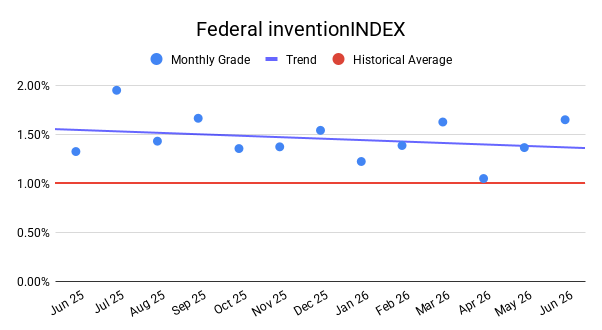
The transition toward sustainable materials has reached a new milestone this month. The fabrication waste circular economy industry has officially recognized a groundbreaking approach to plastic recycling, awarding its July 2026 Patent of the Month to Chevron U.S.A. Inc. for their recent innovation.
The patent, titled “Circular economy for plastic waste to polypropylene via refinery FCC unit,” outlines a continuous process that blends up to 20 percent waste plastic with petroleum to be processed directly in a standard refinery Fluid Catalytic Cracking (FCC) unit. By doing so, it creates a streamlined method to recover valuable C3 olefins and paraffins for new polypropylene production.
Why This Invention is So Innovative
What makes this patent truly revolutionary is its clever use of existing heavy industrial infrastructure. Instead of building entirely new, standalone chemical recycling plants, this process integrates plastic waste directly into a conventional petroleum refinery’s FCC unit. The technique involves creating a stable blend of petroleum and selected polyethylene or polypropylene waste. Once processed through the FCC unit, the system recovers a liquid petroleum gas mixture of C3 olefins and paraffins. These are then separated, with the olefins sent directly to a propylene polymerization reactor and the paraffins optionally sent to a dehydrogenation unit to produce even more propylene. This drop-in solution drastically lowers the capital expenditure required to recycle plastics at a massive scale.
Winning Patent of the Month for July 2026
The fabrication waste circular economy industry awarded this invention the July 2026 Patent of the Month because it solves one of the biggest bottlenecks in plastic recycling: scalability. As regulatory pressures and environmental goals peak this year, the industry is desperate for solutions that can handle millions of tons of fabrication waste efficiently. By turning hard-to-recycle plastic waste back into virgin-grade polypropylene using existing global refinery networks, this method provides a realistic, immediate pathway to a true circular economy. It bridges the gap between traditional petrochemical operations and modern sustainability mandates.
Eligibility for the U.S. R&D Tax Credit
Companies looking to apply the practical applications of this patent can leverage these efforts to qualify for the U.S. Research and Development (R&D) Tax Credit under Section 41 of the Internal Revenue Code. Implementing this technology requires a rigorous process of experimentation to resolve technical uncertainties related to fluid dynamics, catalyst fouling, and optimal blending ratios of plastic to petroleum. Engineering teams would need to conduct extensive pilot testing to ensure the stable blending of up to 20 percent waste plastic without degrading the FCC unit’s performance or compromising the purity of the recovered C3 fractions. Because these activities rely on the hard sciences of chemical and mechanical engineering to develop improved manufacturing processes, the associated costs for engineering payroll, pilot plant supplies, and third-party testing are highly likely to be eligible for substantial federal and state R&D tax credits.