Company: GELLYFISH TECHNOLOGY OF TEXAS, L.L.C.
Patent: System for optimizing fuel usage of a marine vessel (U.S. Patent 12654825)
Why This Invention is So Innovative
Marine vessels have historically relied on static navigation planning and manual throttle adjustments, which often result in massive fuel inefficiencies. This newly patented system introduces a dynamic, data-driven approach to maritime navigation and engine management. By continuously analyzing real-time variables such as ocean currents, wind resistance, vessel weight distribution, and engine performance metrics, the system automatically calibrates fuel flow and propulsion parameters. This level of automation and precision minimizes wasted energy and maximizes nautical miles per gallon, solving a problem that has long challenged marine engineers. The seamless integration of predictive modeling with immediate mechanical adjustments makes this a truly next-generation tool for the boating and commercial shipping sectors.
July 2026 Maritime-Boating Industry Patent of the Month
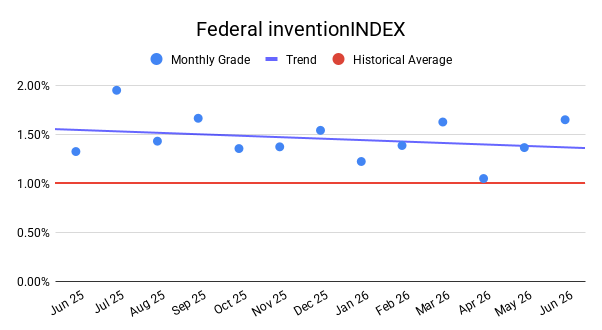
The maritime and boating industry is under immense pressure to meet strict global emission reduction targets and control skyrocketing operational costs. For the month of July 2026, this invention was awarded “Patent of the Month” because it provides a highly practical and immediately scalable solution to one of the industry’s most pressing issues. While many recent patents focus on theoretical alternative fuels that are decades away from widespread infrastructure adoption, this optimization system can be integrated into current fleets right now. Its potential to drastically cut both greenhouse gas emissions and fuel costs overnight resonated deeply with industry experts, earning it top honors for the month.
Eligibility for the R&D Tax Credit in the USA
Companies looking to implement or build upon the practical applications of this patent may be highly eligible for the Research and Development (R&D) tax credit in the United States. To qualify under the IRS four-part test, a business must undertake activities to eliminate technical uncertainties using a process of experimentation based on the hard sciences. Integrating this advanced fuel optimization system into existing marine vessels requires significant, custom engineering effort. For instance, marine engineers and software developers must iteratively test and calibrate the system’s algorithms for specific hull shapes, engine types, and varying sea conditions. Because these integration activities rely on marine engineering and computer science to develop new functional capabilities for a fleet, the labor, materials, and cloud-hosting costs associated with these sea trials and software adaptations would strongly qualify for lucrative R&D tax incentives.