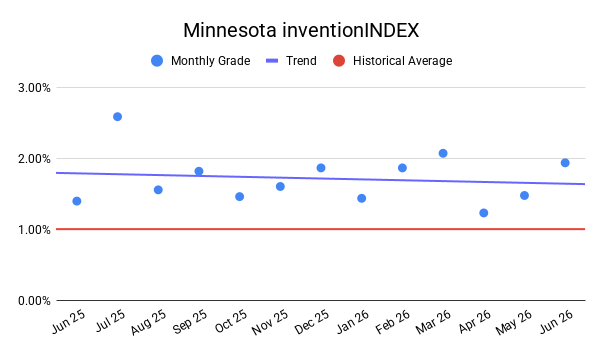
The state of Minnesota has long been celebrated as a global epicenter for medical device innovation, and the month of June 2026 highlights yet another extraordinary milestone. Alpheus Medical, Inc., a clinical-stage biotechnology company based in Chanhassen, Minnesota, has officially been recognized for its groundbreaking work in oncology. This prestigious recognition celebrates their newly granted patent, which promises to redefine how clinicians approach some of the most aggressive and traditionally untreatable forms of solid tumors, particularly glioblastoma.
The award-winning patent, titled “Incoherent field sonodynamic therapy for treating cancer” (U.S. Patent No. 12,623,094), introduces a highly sophisticated method and apparatus for non-invasive cancer treatment. By utilizing specialized ultrasound transducer element arrays, the technology delivers advanced acoustic ensonification drive patterns via a unique patient interface. This system is specifically designed for optimal sonosensitizer activation, offering a hemisphere-wide, drug-centered therapy that selectively targets diffuse cancer cells while completely preserving surrounding healthy brain tissue.
Why the Invention is So Innovative
What makes this patent exceptionally innovative is its paradigm-shifting approach to ultrasound therapy. Traditional acoustic oncology treatments rely heavily on High-Intensity Focused Ultrasound (HIFU). While HIFU is effective for discrete, localized tumor boundaries, it is fundamentally ill-suited for infiltrative cancers like glioblastoma, where malignant cells migrate along white matter tracts and permeate healthy brain tissue. Focused beams simply cannot safely treat a whole hemisphere without causing severe localized thermal damage or destroying critical healthy structures.
Alpheus Medical’s patent solves this limitation through the generation of an incoherent acoustic field. By dynamically varying the phase, frequencies, and amplitude of low-intensity planar acoustic waves, the system creates a controlled, overlapping ensonification pattern. This deliberate incoherence prevents the formation of hazardous thermal hot spots while maintaining an average acoustic intensity sufficient to activate a sonosensitizer (such as protoporphyrin IX, derived from orally administered 5-ALA) across a massive treatment region. It converts a highly localized ablation technique into a broad, non-thermal, tumor-selective therapy capable of clearing microscopic, migrating disease across an entire hemisphere of the brain.
Winning Minnesota’s Patent of the Month for June 2026
Alpheus Medical earned the Minnesota State Patent of the Month for June 2026 due to the perfect convergence of timing, technical brilliance, and profound clinical utility. Granted in mid-May 2026, the patent arrives precisely as the company commands national headlines with its ongoing multi-center Phase 2b clinical trials. With early patient enrollment showing powerful momentum, this technology is transitioning rapidly from a theoretical engineering concept into a tangible, life-saving reality.
Furthermore, the award honors Minnesota’s rich legacy in the “Medical Alley” ecosystem, proving that local enterprises remain at the cutting edge of global biomedical engineering. By addressing glioblastoma, a devastating disease whose standard of care has remained largely stagnant for over two decades, Alpheus Medical has provided a beacon of hope for patients and underscored the vital importance of state-driven medical innovation.
U.S. R&D Tax Credit Eligibility for Practical Applications
The practical applications and ongoing development of this patented technology are highly eligible for the Section 41 Research and Development (R&D) Tax Credit in the United States. To qualify, the activities must satisfy the IRS Four-Core Test. First, the development of the Low-Intensity Diffuse Ultrasound (LIDU) device and its specialized modulation algorithms serves a permitted purpose by introducing a new, improved medical component. Second, the engineering team actively works to eliminate technical uncertainty regarding the exact configuration, capability, and methodological appropriateness of generating a non-thermal incoherent field. Third, this uncertainty is systematically resolved through a process of experimentation involving advanced computational modeling, acoustic simulation, and rigorous clinical trial testing. Finally, the research is fundamentally technological in nature, relying heavily on the principles of physics, engineering, and biological sciences. Consequently, the qualified research expenses (QREs) incurred during these efforts, including the wages of biomedical engineers, software developers refining the drive patterns, and costs associated with clinical verification, can be directly applied to secure valuable federal tax credits.