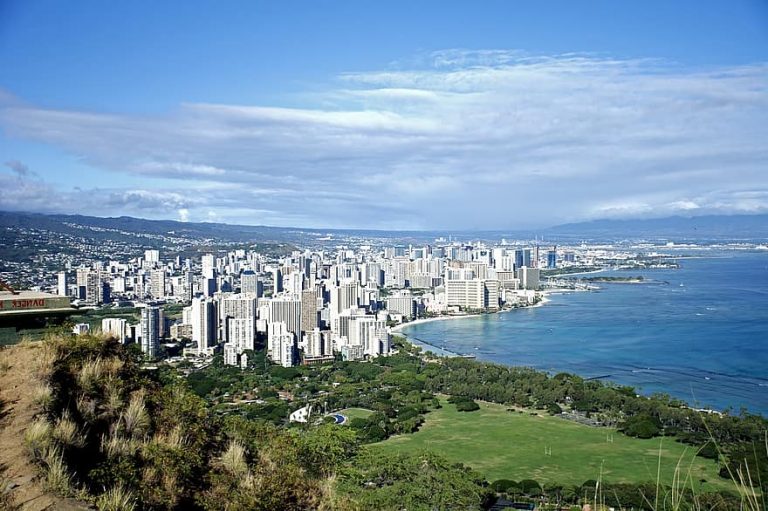
Industry Case Studies in Honolulu, Hawaii
The unique geographic, historical, and economic constraints of Honolulu—characterized by its extreme geographic isolation, high energy costs, distinct tropical ecosystem, and strategic military presence—have birthed highly specialized Research and Development (R&D) sectors. The following five case studies detail the historical development of these core industries in Honolulu County and demonstrate precisely how their specific operations intersect with the rigorous eligibility requirements of the United States federal R&D tax credit and the Hawaii State Tax Credit for Research Activities (TCRA).
Case Study: Agricultural Biotechnology and Advanced Seed Development
Historical Context and Development in Honolulu: Agriculture has served as a foundational pillar of the Hawaiian economy since Polynesian settlement, but the modern, scientifically rigorous agricultural R&D sector in Honolulu is the direct descendant of the industrial sugarcane era. In 1895, the Hawaiian Sugar Planters’ Association (HSPA) was established to centralize plantation management and conduct systematic scientific research on soil composition, fertilizers, and seed hybridization to maximize yields across the archipelago. To facilitate this, the HSPA established its first formal experiment station in the Makiki district of Honolulu in 1905. Over the decades, as urban expansion encroached on Makiki, the research operations migrated westward to facilities in Aiea and eventually to the expansive Kunia plains.
As the traditional plantation economy waned in the late 20th century—driven by escalating labor costs, aggressive foreign competition, and complex water rights disputes such as the Waiahole Ditch Contested Case—the vast agricultural lands on Oahu underwent a profound transition. The closures of massive operations like Oahu Sugar in 1995 and Waialua Sugar in 1996 left significant land voids. However, the institutional knowledge embedded in the HSPA, which evolved into the Hawaii Agriculture Research Center (HARC) in 1996, facilitated a strategic pivot. Honolulu’s year-round temperate climate allows for three to four continuous crop generations per year, an invaluable asset for genetic iteration. Recognizing this, multinational entities like Garst Seed Company (1986) and Cargill (1997) established major research farms in the Kunia region, transforming Honolulu into a premier global hub for seed research and agricultural biotechnology. Today, this sector focuses heavily on developing drought-resistant crop hybrids, optimizing microbial biopesticides, and utilizing genetic engineering to combat invasive pathogens.
Federal R&D Tax Credit Eligibility Analysis: An advanced seed research company operating a testing facility in Kunia, Oahu, engaging in the breeding of hybrid soybean strains or testing novel microbial inoculants, is undertaking activities highly eligible for the federal R&D credit under Section 41 of the Internal Revenue Code (IRC).
To satisfy the federal four-part test, the development of a new biopesticide formulated from insect frass or a new drought-resistant seed trait constitutes a new “business component” intended to improve performance or reliability (Permitted Purpose). The reliance on the hard sciences of agronomy, molecular genetics, and organic chemistry strictly meets the “Technological in Nature” requirement. Technical uncertainty inherently exists regarding the optimal nutrient release rates in the highly specific, rapidly draining volcanic soils of the Kunia plains, or the phenotypic expression of a new genetic marker across different microclimates. The structured field trials, precise germination optimization tests, and the rigorous collection of biometric data to evaluate these hypotheses constitute a highly formalized process of experimentation.
The landmark federal tax court case George v. Commissioner is highly relevant to Honolulu’s agricultural sector. The court validated that agricultural operations can claim the costs of tangible supplies (such as proprietary feed, experimental seed variants, and specialized fertilizers) as Qualified Research Expenses (QREs) if they are directly consumed during the execution of structured, experimental pilot models. However, the court explicitly warned that the broad, unsubstantiated inclusion of normal farming production costs without clearly delineated experimental control groups is prohibited. Therefore, a Kunia-based firm must meticulously document which specific acreages, greenhouse benches, and seed batches are dedicated to experimental trials versus standard commercial grow-outs to sustain their supply QRE claims during an Internal Revenue Service (IRS) audit.
Hawaii State TCRA Eligibility Analysis: To claim the Hawaii TCRA, the agricultural firm must navigate the stringent new requirements instituted by Act 139, Session Laws of Hawaii 2024. While historical iterations of the credit allowed large multinational agricultural conglomerates to claim massive state credits, Act 139 restricts the definition of a Qualified High Technology Business (QHTB) to a “small business” with no more than 500 global employees. If the Kunia operation is a subsidiary of a massive multinational agribusiness, it is entirely disqualified from the state credit, regardless of the quality of its local research. However, an independent, locally owned seed genetics startup with 45 employees conducting all of its field trials and laboratory assays in Honolulu easily satisfies the size constraint and the mandate that more than 50 percent of its qualified research activities physically occur within the State of Hawaii.
Case Study: Marine Engineering and Oceanographic Technology
Historical Context and Development in Honolulu: Honolulu’s economic and technological history is inextricably linked to its deep-water harbors, primarily Pearl Harbor and Honolulu Harbor. Following the annexation of the Hawaiian Islands by the United States in 1898, massive, sustained dredging operations and facility constructions commenced to support the U.S. Navy’s growing Pacific Fleet. Over the ensuing decades, the perpetual requirements for maintaining complex naval vessels and the unique engineering demands of operating in the deep, dynamic, and highly corrosive waters of the central Pacific fostered a highly specialized marine engineering and oceanographic sector.
In 1968, during the Vietnam War era, the Navy established a highly classified biosciences and engineering laboratory at the Marine Corps Base in Kaneohe Bay. This facility rapidly evolved into a world-leading laboratory for underwater device design, hydrodynamics, and marine mammal acoustics. When the Base Realignment and Closure (BRAC) Commission forced the closure of this specific SPAWAR facility in 1993, much of the intellectual capital migrated to the University of Hawaii, leading to the creation of the Marine Mammal Research Program (MMRP) at the Hawaii Institute of Marine Biology (HIMB) on Coconut Island. This legacy of military-academic collaboration laid the groundwork for modern oceanographic engineering in the region. Today, Honolulu hosts advanced testing infrastructure such as the Wave Energy Test Site (WETS) located offshore of the Marine Corps Base Hawaii in Kaneohe Bay. This grid-connected facility, supported by the Naval Facilities Engineering Command and the Hawaii National Marine Renewable Energy Center (HINMREC), is globally critical for testing full-scale prototypes of Wave Energy Converters (WECs) and autonomous underwater vehicles.
Federal R&D Tax Credit Eligibility Analysis: A Honolulu-based marine engineering firm contracted to design, iterate, and test a novel Wave Energy Converter (WEC) for long-term deployment at the WETS facility is conducting paradigmatic R&D.
Under the federal standard, the design of a new WEC hull geometry or a proprietary power take-off (PTO) mechanism represents the required business component. The engineering team faces profound technical uncertainty regarding hydrodynamic stability under extreme wave loads, the prevention of biofouling on moving parts, and the mitigation of galvanic corrosion in highly oxygenated, saline environments. The process of experimentation typically begins in the digital realm, utilizing advanced computational fluid dynamics (CFD) and specialized simulation software—such as the open-source WEC-Sim platform developed by the National Renewable Energy Laboratory (NREL)—to model wave interactions and optimize the design virtually. Subsequently, the firm constructs physical scale models for testing in wave tanks, eventually leading to the deployment of full-scale prototypes at Kaneohe Bay for empirical data collection under true ocean conditions.
The federal tax court decision in Trinity Industries Inc. v. United States provides a critical framework for this industry. The court examined the development costs of first-in-class Oceanographic Survey Ships. The ruling established a strict precedent: if a vessel or marine structure is built largely utilizing standard, proven marine architecture, only the costs associated with the specifically experimental sub-components (such as a novel propulsion integration or a first-of-its-kind sensor array) qualify for the credit, not the entire macroscopic construction cost. Furthermore, the court applied an 80% rule, determining that if less than 80% of the total project was experimental in nature, the project as a whole did not qualify as a single experimental pilot model, requiring rigorous cost segregation. Therefore, a Honolulu marine firm must meticulously segregate costs; standard mooring lines, conventional anchors, and standard decking materials might be excluded from the QRE pool, while the bespoke PTO turbine blades, custom hydraulic dampeners, and associated engineering labor are definitively included.
Hawaii State TCRA Eligibility Analysis: For a marine engineering firm operating in Honolulu, a primary hurdle for state TCRA eligibility is the “funded research” exclusion under IRC §41(d)(4)(H), which Hawaii fully adopts. Because much of the advanced marine engineering in Honolulu is funded by the Department of Defense (e.g., ONR, NAVFAC) or the Department of Energy, the firm must carefully scrutinize its government contracts. According to Hawaii Department of Taxation guidance (TIR 2008-04) and federal regulations, the firm can only claim the state and federal credits if its contract dictates that it retains substantial economic risk (e.g., a firm-fixed-price contract where payment is strictly contingent on the successful delivery of a functional prototype) and, crucially, retains substantial rights to the intellectual property developed during the research. If the government assumes the financial risk of failure (e.g., a standard time-and-materials contract) or claims exclusive rights to the resulting patents, the research is considered “funded” and is entirely ineligible for the tax credit.
Case Study: Biomedical and Life Sciences Translational Research
Historical Context and Development in Honolulu: The biomedical and life sciences research ecosystem in Honolulu evolved rapidly in the latter half of the 20th century, driven by the unique epidemiological landscape of the Pacific Basin and the biodiversity of the Hawaiian archipelago. A critical catalyst was the establishment of the Pacific Biosciences Research Center (PBRC) at the University of Hawaii in 1960. Recognizing the unparalleled access to unique marine organisms for the study of fundamental cell and developmental biology, the state funded the construction of the Kewalo Marine Laboratory near Kewalo Basin, which opened in 1972. This was followed by the integration of the Békésy Laboratory of Neurobiology in 1974.
The academic foundation was further solidified by the expansion of the John A. Burns School of Medicine (JABSOM). Honolulu achieved global scientific prominence in 1998 when Dr. Ryuzo Yanagimachi and his team at JABSOM successfully developed the “Honolulu Technique” for cloning mice, a monumental breakthrough in comparative genetics and reproductive biology. Today, the biomedical sector is highly concentrated around the Kaka’ako district, which houses the modern JABSOM campus and the University of Hawaii Cancer Center. The contemporary research focus has expanded significantly into virology, tropical disease pharmacology, and clinical translational research aimed at addressing severe health disparities endemic to Native Hawaiian, Pacific Islander, and Filipino populations, largely coordinated through institutions like the Center for Pacific Innovations, Knowledge, and Opportunities (PIKO). Private enterprise has actively spun out of this academic incubator; companies like Hawaii Biotech, the state’s oldest dedicated biotechnology firm, have transitioned from early facilities in Aiea and the Dole Cannery into state-of-the-art corporate laboratories, driving commercial drug development.
Federal R&D Tax Credit Eligibility Analysis:
Consider a privately held biotechnology startup based in Kaka’ako that is developing a novel recombinant protein vaccine targeting a specific strain of a mosquito-borne tropical virus endemic to the Pacific Basin.
The development of a new vaccine candidate unequivocally represents the creation of a new business component, and the inherent reliance on the hard sciences of molecular biology, immunology, and biochemistry firmly satisfies the “Technological in Nature” mandate. The elimination of technical uncertainty is the core function of the enterprise; the company must determine optimal antigen sequencing, adjuvant compatibility, required dosage, and mitigation of toxicity. This is achieved through a highly regulated process of experimentation involving iterative in vitro cellular assays, protein purification trials, and subsequent preclinical in vivo animal models.
Furthermore, this specific industry profile perfectly aligns with the federal payroll tax offset provision introduced to support highly innovative, capital-intensive startups. If the Kaka’ako biotech firm is a “Qualified Small Business”—defined under federal law as having less than $5 million in gross receipts during the credit year and having no gross receipts prior to the preceding five-year period—it can make a formal election to apply up to $500,000 of its generated federal R&D tax credit to offset its employer-portion FICA payroll tax liabilities. For pre-revenue biomedical firms that do not yet have an income tax liability to offset, this ability to immediately monetize the R&D credit against payroll taxes provides critical operational cash flow.
Hawaii State TCRA Eligibility Analysis: Despite macroeconomic data indicating that the broader “Biotechnology” sector has experienced a statistical decline in statewide job growth and competitive concentration in recent years, individual biotech firms that meet the newly defined statutory criteria remain highly competitive for the Hawaii TCRA.
Under the provisions of Act 139, a Kaka’ako-based firm with 40 employees that conducts 100 percent of its wet-lab research within Honolulu easily satisfies both the global size constraint (fewer than 500 employees) and the strict geographic mandate (more than 50% of activities in Hawaii). Because laboratory operations are highly resource-intensive, the firm’s specialized supply costs—including disposable pipettes, proprietary reagents, specific cell culture media, and specialized laboratory animals used exclusively in the experimental trials—represent high-value QREs that drive up both the federal calculation and the derivative state credit claim.
Case Study: Renewable Energy and Grid Integration Technology
Historical Context and Development in Honolulu: Hawaii’s extreme geographic isolation forces the state to import the vast majority of its energy, historically relying on highly volatile and costly maritime shipments of petroleum to power its electrical grid. To systematically address this critical economic and strategic vulnerability, the state legislature passed a mandate to achieve a 100 percent renewable portfolio standard (RPS) for the electricity sector by 2045, positioning Hawaii as the first state in the nation to enact such an aggressive statutory target.
Because the overwhelming majority of the state’s power demand is concentrated on the island of Oahu (Honolulu County), and the Oahu grid operates completely independently without any subsea inter-island transmission interconnects to balance loads, the integration of highly intermittent renewable energy sources presents a profound, unprecedented electrical engineering challenge. The sudden loss of wind or solar generation due to cloud cover or wind shear requires instantaneous stabilization to prevent catastrophic grid failure; historically, the worst-case trip of a generating plant on Oahu caused severe frequency nadirs that threatened immediate blackouts. This existential necessity has driven rapid, localized R&D in solar integration algorithms and utility-scale energy storage solutions. Projects such as the Mahi Solar facility in Kunia—which is currently engineered to integrate 120 MW of solar generating capacity with a massive 480 MWh battery storage system while simultaneously co-locating with active agricultural operations (agrivoltaics)—represent the physical manifestation of this intense technological push.
Federal R&D Tax Credit Eligibility Analysis: A Honolulu-based software engineering and grid analytics firm developing a proprietary algorithmic control system to manage autonomous load shedding and battery dispatch for Oahu’s isolated grid infrastructure is deeply engaged in qualified R&D.
The development of a new predictive dispatch algorithm represents a new software business component. The primary technical uncertainty lies in the algorithm’s capability to accurately ingest and process massive streams of real-time meteorological data, historical load patterns, and grid frequency metrics to autonomously execute battery discharge commands within milliseconds, thereby preventing the grid frequency from dropping below critical thresholds (e.g., maintaining stability above a 58.65 Hz nadir during a simulated generation loss). The process of experimentation involves iteratively drafting the codebase, executing the software through highly complex, simulated load-loss scenarios in a virtual sandbox environment, analyzing the resulting frequency response times, and continuously refining the logic gates to eliminate latency.
Crucially, the firm must navigate the complex federal Internal Use Software (IUS) exclusions outlined in IRC §41(d)(4)(E). Historically, software developed solely for a taxpayer’s internal, non-research operations faced an exceptionally high “threshold of innovation” test to qualify. However, because this specific grid-management software is intended to be commercially licensed to the local utility provider (e.g., Hawaiian Electric Company) or integrated into a commercial software-as-a-service (SaaS) platform sold to grid operators globally, it circumvents the restrictive internal-use exclusion, allowing the firm to claim the software developer wages as standard QREs.
Hawaii State TCRA Eligibility Analysis: The legislative transition from the pre-2024 Hawaii TCRA architecture to the post-Act 139 structure profoundly impacts this specific industry. Prior to 2024, the Honolulu software firm could simply claim a flat-rate state credit on all of its qualified research expenses incurred in the state, without any regard to its historical spending levels.
Post-Act 139, the firm is now legally mandated to calculate its historical “base amount” using the strict federal methodologies (either the Regular Research Credit or the Alternative Simplified Credit) as dictated by the 2011 version of the Internal Revenue Code. The firm must demonstrate through precise accounting that its current year research spending in Honolulu actively outpaces its historical spending baseline in order to generate a state credit. This structural legislative change was intentionally designed to reward Honolulu technology firms that are actively expanding their engineering footprint and creating new high-paying jobs, rather than subsidizing a static level of historical research activity.
Case Study: Aerospace, Defense, and Advanced Aviation Technology
Historical Context and Development in Honolulu: Aviation in Honolulu possesses a rich history dating back to the 1910s, but the infrastructure radically expanded with the dedication of John Rodgers Airport in 1927. The strategic, geopolitical importance of Oahu became paramount during the buildup to and execution of World War II, leading to the rapid construction of over 15 distinct airfields and emergency airstrips across the island, fundamentally altering its topography. Hickam Field and the adjacent Pearl Harbor complex became the vital epicenters for trans-Pacific defense logistics and aerospace coordination. Notably, in 1944, aviation pioneer Charles Lindbergh conducted highly specialized, tactical R&D at Hickam, flying combat aircraft to develop advanced fuel conservation techniques that significantly extended the operational range of Pacific fighter squadrons. In the modern era, monumental engineering feats, such as the construction of the Reef Runway from 1973 to 1977, continued to push the boundaries of civil aviation infrastructure.
Today, while heavy commercial airframe manufacturing is localized on the continental United States, Honolulu serves as a critical, forward-deployed node for advanced defense R&D, the testing of autonomous drone systems, and specialized geospatial mapping due to its immediate proximity to the Indo-Pacific theater. The U.S. Army Corps of Engineers (Honolulu District) and various major defense contractors continually engineer new infrastructure and operational technologies uniquely suited for the corrosive, high-humidity, and seismically active environment of the Pacific Basin.
Federal R&D Tax Credit Eligibility Analysis:
An aerospace defense contractor operating a facility adjacent to the Daniel K. Inouye International Airport (formerly Honolulu International) is developing proprietary, drone-based topographic mapping sensors designed to operate autonomously in high-wind, coastal salt-spray environments.
The core R&D involves integrating advanced LiDAR arrays with novel gyroscopic stabilization software to account for unpredictable wind shear in the coastal canyons of Oahu. Technical uncertainty is highly present regarding the optical interference caused by airborne sea spray, the processing latency of the stabilization algorithm, and the structural integrity of the lightweight sensor housing under intense dynamic loads. Conducting rigorous flight testing over the varied, extreme topography of Oahu’s Koolau mountain range, recording the telemetry data, and redesigning the gimbal mounts based on vibration analysis constitutes a textbook evaluative experimentation process. The wages of the aerospace engineers, software developers, and flight test technicians, along with the prototype material costs, are prime federal QREs.
Hawaii State TCRA Eligibility Analysis – The Impact of Act 139: This specific aerospace scenario highlights the most disruptive and consequential element of the recent Hawaii TCRA amendments. The aerospace and defense sector is traditionally dominated by massive, vertically integrated multinational corporations. If the contractor developing the drone technology at Honolulu Airport is a subsidiary or a local branch of a major global defense corporation, their aggregate global employee count will undoubtedly exceed 500.
Consequently, under the newly amended definitions within HRS §235-110.91, this business is formally stripped of its Qualified High Technology Business (QHTB) status, rendering it entirely ineligible for the Hawaii State R&D credit, regardless of the fact that the actual research is physically occurring in Honolulu.
The strategic corporate response to this statutory exclusion is bifurcated. The multinational corporation can, and should, still aggressively claim the federal R&D tax credit on the wages of its Honolulu-based engineering staff, as the general federal statute (IRC §41) imposes no overarching employee headcount limit (size limits apply only to the payroll tax offset, not the income tax credit). However, the state-level tax benefit is completely lost. Conversely, if the specialized LiDAR technology is being developed by an independent, local Honolulu startup acting as a subcontractor (with only 50 employees), that local firm could successfully claim both the federal and state credits, provided they successfully negotiate a contract that ensures they retain economic risk and the rights to the intellectual property they develop.
Detailed Analysis of United States Federal R&D Tax Credit Requirements
The United States federal Research and Development tax credit, codified under Section 41 of the Internal Revenue Code (IRC), serves as the principal statutory incentive designed to stimulate domestic technological innovation, increase high-skilled employment, and foster industrial expansion. For enterprises operating in Honolulu, strict compliance with federal regulations is not merely a matter of federal corporate tax mitigation; it is the absolute, fundamental prerequisite for accessing the lucrative state-level tax benefits under Hawaii law.
The Statutory Four-Part Test
The foundational architecture of the federal R&D tax credit rests upon a strict, cumulative four-part test as mandated by IRC §41(d). To qualify as a Qualified Research Expense (QRE), an enterprise’s underlying activities must systematically satisfy all four criteria simultaneously. Failure to meet any single criterion invalidates the activity from inclusion in the tax credit calculation.
| IRC §41(d) Criteria | Statutory Definition & Application | Honolulu Industry Example |
|---|---|---|
| Permitted Purpose (Business Component Test) | The research must be undertaken to discover information intended to develop a new or improved business component. A business component is a product, process, software, technique, formula, or invention held for sale, lease, license, or used in the taxpayer’s trade or business. The objective must explicitly relate to improving functionality, performance, reliability, or quality. | A Kaka’ako biotech firm initiating the development of a novel recombinant protein vaccine to improve the efficacy of existing tropical disease treatments. |
| Technological in Nature | The process of experimentation must fundamentally rely on principles of the “hard sciences.” The statute specifically enumerates physical sciences, biological sciences, computer sciences, or engineering. Research based on economics, social sciences, arts, humanities, or market research is strictly excluded. | A Kaneohe marine engineering firm utilizing the principles of fluid dynamics and mechanical engineering to design a more efficient Wave Energy Converter. |
| Elimination of Technical Uncertainty | The activity must be intended to discover information that eliminates technical uncertainty concerning the development or improvement of the business component. Uncertainty exists in the eyes of the IRS if the information available to the taxpayer does not establish the capability or method for developing the component, or the appropriate design of the component. | A Kunia agricultural firm facing uncertainty regarding the optimal chemical formulation and soil absorption rate of a new microbial biopesticide in volcanic soils. |
| Process of Experimentation | The taxpayer must engage in a systematic, evaluative process designed to overcome the identified technical uncertainty. This requires identifying multiple alternatives, formulating hypotheses, executing physical testing or computational modeling, and refining or discarding those alternatives based on the empirical results. | An aerospace firm in Honolulu conducting iterative flight tests of a drone, analyzing telemetry data to refine stabilization algorithms after failures in high-wind conditions. |
Statutory Exclusions and Limitations
Even if a specific engineering or scientific activity satisfies the rigors of the four-part test, it may still be completely disqualified if it falls under one of the explicit statutory exclusions outlined in IRC §41(d)(4). Taxpayers must carefully audit their project timelines and contractual agreements to avoid claiming excluded activities.
- Exclusion for Research After Commercial Production: The R&D phase legally concludes once a product or process meets its basic design specifications and is ready for commercial deployment. Activities related to pre-production planning, tooling up for production, trial production runs, or troubleshooting routine production flaws are excluded.
- Adaptation and Duplication Exclusions: If a Honolulu firm is merely adapting an existing business component to a particular customer’s specific requirement without encountering new technical uncertainty, the activity is excluded. Similarly, reverse-engineering or reproducing an existing product without introducing substantial improvements does not qualify.
- Foreign Research: The federal credit is designed to stimulate domestic employment. Research conducted outside the United States, Puerto Rico, or U.S. possessions is strictly excluded. Thus, if a Honolulu tech firm outsources software coding to a team in Asia, those contract expenses cannot be included in the QRE pool.
- Funded Research Exclusion: As discussed in the marine engineering case study, research is excluded if the taxpayer does not retain substantial rights to the research results or does not bear the economic risk of failure. If a firm is guaranteed payment regardless of the research outcome (e.g., standard time-and-materials billing), the funding entity, not the performing entity, holds the right to claim the credit, provided they also retain the IP rights.
Federal Calculation Methodologies and Specialized Startup Provisions
The federal R&D tax credit is not a flat subsidy; it is an incremental incentive engineered to reward companies specifically for increasing their R&D investments over historical baselines. Taxpayers must elect one of two primary calculation methodologies on their federal return, a choice that has profound downstream effects on their Hawaii state tax return.
- The Regular Research Credit (RRC): The RRC calculates the credit as 20 percent of current-year QREs that exceed a calculated, historical base amount. The base amount is derived by multiplying the taxpayer’s “fixed-base percentage” (FBP) by their average annual gross receipts for the four preceding taxable years. The FBP is a historical ratio of QREs to gross receipts (statutorily capped at a maximum of 16%). To ensure the credit remains incremental, the tax code mandates a floor: the base amount for any given year can never be less than 50 percent of the current-year QREs.
- The Alternative Simplified Credit (ASC): Recognizing that the RRC’s reliance on historical gross receipts penalizes companies with high revenue growth but steady R&D spending, Congress introduced the ASC. The ASC calculates the credit as 14 percent of the QREs for the current taxable year that exceed 50 percent of the average QREs for the three preceding taxable years. For early-stage startups that have zero QREs in any one of the three preceding tax years, the ASC provides a vital “startup rate,” setting the credit at 6 percent of the current year’s QREs.
Furthermore, IRC §280C(c) mandates an interaction between the tax credit and standard business deductions. Taxpayers cannot claim a standard IRC §174 deduction for the portion of research expenses equal to the amount of the research credit claimed. To avoid this complex add-back process, taxpayers can make an annual, irrevocable election on an original, timely filed return to take a reduced research credit.
Detailed Analysis of the Hawaii State Tax Credit for Research Activities (TCRA)
The State of Hawaii has historically utilized tax policy to aggressively foster economic diversification, seeking to build a robust, innovation-based economy in Honolulu that relies less heavily on the cyclical tourism and military sectors. The primary vehicle for this strategy is the Tax Credit for Research Activities (TCRA), codified under Hawaii Revised Statutes (HRS) §235-110.91. The TCRA provides a refundable income tax credit to state-certified Qualified High Technology Businesses (QHTBs).
Fixed-Date Conformity to IRC §41: The Architectural Foundation
The most critical and often misunderstood architectural feature of the Hawaii TCRA is its strict “fixed-date conformity” to federal tax law. HRS §235-110.91 explicitly ties the state credit’s definitions, mechanisms, and operational logic to the provisions of Internal Revenue Code Section 41 exactly as they were enacted on December 31, 2011.
This legislative design creates a non-dynamic, historical benchmark. Regardless of subsequent federal amendments to IRC §41 or related statutes like IRC §174 (such as the highly controversial mandatory amortization of R&D expenses introduced by the federal Tax Cuts and Jobs Act of 2017), Hawaii’s state credit parameters remain firmly locked to the 2011 federal definitions. This dual-track reality requires Honolulu-based corporate taxpayers and their CPAs to perform distinct, highly compartmentalized accounting procedures: one dynamic calculation utilizing current laws for federal compliance on IRS Form 6765, and a separate, historically constrained calculation utilizing 2011 rules for the Hawaii state tax return on Form N-346.
Legislative Evolution: Act 139 and the Reinstatement of Incremental Growth
The history of high-technology tax credits in Hawaii is marked by significant legislative volatility. Early iterations of technology credits, notably the broad Act 221 provisions in the early 2000s, were heavily criticized for lacking focus and allowing excessive revenue leakage. To refine the incentive, the legislature established the modern TCRA, which linked the state credit directly to the rigorous federal IRC §41 definitions.
Prior to 2024, the Hawaii legislature had enacted a highly favorable provision that allowed QHTBs to claim the state research credit without regard to the complex federal “base amount” rules. This effectively converted the state incentive from an incremental growth reward into a flat-rate credit on all qualified expenses incurred within the state, making it highly lucrative even for firms whose R&D budgets were stagnant.
However, this generous architecture was fundamentally and irreversibly altered by the passage of Act 139, Session Laws of Hawaii 2024 (effective for taxable years beginning after December 31, 2023). Act 139 instituted sweeping structural changes designed to strictly target the incentive toward actively growing, locally based small businesses in Honolulu and across the state:
| Act 139 Statutory Change | Impact on Honolulu Taxpayers | Reference |
|---|---|---|
| Reinstatement of the Base Amount | The provision allowing credits to be taken without regard to previous years’ expenses was repealed. Taxpayers must now calculate a historical base amount using the 2011 federal RRC or ASC methodologies. Firms must demonstrate year-over-year growth in local R&D spending to derive a state tax benefit. | Act 139 / SB2497 CD1 |
| Strict 500-Employee Limit | The definition of a Qualified High Technology Business (QHTB) was narrowed to specifically mean a “small business” with no more than 500 employees. This completely eliminates large multinational defense contractors, international agribusinesses, and major pharmaceutical corporations from claiming the state credit. | Act 139 / HRS §235-110.91 |
| >50% Local Activity Mandate | To achieve QHTB status, a business must conduct more than 50 percent of its total qualified research activities physically within the State of Hawaii. This prevents firms headquartered elsewhere from setting up nominal outposts in Honolulu merely to harvest state tax credits. | Act 139 / HRS §235-110.91 |
| Mandatory Business Registration | The entity must be formally registered to do business in the State of Hawaii with the Department of Commerce and Consumer Affairs (DCCA). | Act 139 |
| Extension of Sunset Date | The impending expiration of the credit was averted. Act 139 officially extends the sunset date of the TCRA program to December 31, 2029. | Act 139 |
Administration, Certification, and the Pass-Through Entity (PTE) Impact
Accessing the Hawaii TCRA requires navigating a rigorous, multi-agency administrative gateway overseen collaboratively by the Department of Business, Economic Development, and Tourism (DBEDT) and the Department of Taxation (DOTAX).
Because the legislature has strictly capped the total amount of certified tax credits at $5,000,000 in the aggregate for all taxpayers annually, the certification process operates on a highly competitive, first-come, first-served basis. Taxpayers must submit a comprehensive application via Form N-346A and an extensive annual survey to DBEDT by March 31 of the year following the taxable year in which the research was conducted. DBEDT meticulously reviews the technical questionnaires and payroll matrices to verify QHTB status and the >50% local activity threshold. Upon successful verification, DBEDT issues an approved certificate (typically around June 30). The taxpayer is then legally responsible for attaching this approved certificate, alongside state Form N-346 and a copy of their federal Form 6765, to their Hawaii state income tax return filed with DOTAX.
Furthermore, the structure of the Honolulu technology ecosystem relies heavily on flow-through entities, such as Limited Liability Companies (LLCs) taxed as partnerships, and S-Corporations. In these structures, the R&D credit is generated and calculated at the entity level, but the actual tax benefit is allocated pro rata to the individual partners or shareholders via Schedule K-1, who then apply the credit against their personal Hawaii income tax liabilities. This dynamic is further complicated by Hawaii’s recent enactment of a Pass-Through Entity (PTE) tax framework (Act 50, SLH 2024), which allows partnerships to elect to pay state income tax at the entity level to bypass federal SALT deduction caps. Tax preparers must carefully model the interaction between the refundable TCRA generated by the entity and the nonrefundable PTE tax credits allocated to the members to optimize the total tax position.
Tax Administration Guidance and Case Law Analysis
Understanding how the strict statutory requirements of the R&D tax credit are actually enforced during an audit in Honolulu requires a synthesis of federal tax court jurisprudence and highly specific, localized administrative guidance from the Hawaii Department of Taxation. Because HRS §235-110.91 explicitly adopts IRC §41, Hawaii tax adjudicators generally defer to federal precedents when interpreting the technical nuances of the four-part test and statutory exclusions.
Controlling Federal Case Law Implications
Federal tax court decisions provide the binding interpretive framework for what constitutes qualified research. Two cases are of paramount importance to the industries dominant in Honolulu:
The Pilot Model and Supply Cost Precedent (George v. Commissioner): As briefly noted in the agricultural case study, George v. Commissioner fundamentally clarified the treatment of physical pilot models and the tangible supplies consumed during their operation. The IRS historically argued that if a pilot model (such as a test batch of crops or a prototype machine) was ultimately sold or used in commercial production, the supplies used to build it were disqualified as standard production costs. The court roundly rejected this, validating the concept that tangible supplies—including animal feed, seeds, and fertilizers in an agricultural setting, or raw materials in a manufacturing setting—can be claimed as QREs if they are directly consumed during the evaluative phase of a structured experiment intended to resolve technical uncertainty. For Honolulu’s agricultural and hardware startups, this ruling confirms that the material costs of their iterations are valid QREs, provided they maintain robust documentation linking the specific materials to defined experimental trials rather than general production.
The 80% Rule and Segregation in Heavy Engineering (Trinity Industries Inc. v. United States): For Honolulu’s marine engineering and aerospace sectors, Trinity Industries serves as the critical operational guidepost. The court ruled that when constructing massive, complex systems (like an Oceanographic Survey Ship), the entire project cannot be blanketed as an experimental pilot model unless at least 80% of the constituent elements are fundamentally experimental. Because most ships and aircraft rely heavily on standard, proven architectural baselines, they rarely meet this 80% threshold. Consequently, the court mandated strict cost segregation; taxpayers must surgically isolate the costs of the novel, experimental sub-components (the specific R&D elements) from the macroscopic construction costs of the standard hull or airframe. Honolulu defense contractors must implement sophisticated time-tracking and procurement accounting systems to achieve this granular segregation to survive an IRS or DOTAX audit.
Hawaii State Administrative Guidance
The Hawaii Department of Taxation (DOTAX) has issued specific interpretive guidance to clarify ambiguities in the application of the TCRA within the state’s unique economic environment.
- Treatment of Prototype Costs (TIR 2008-04): Aligning with the principles later affirmed in George v. Commissioner, DOTAX issued Tax Information Release No. 2008-04, which explicitly clarified the eligibility of certain prototype costs for inclusion in QREs under HRS §235-110.91. The TIR provides crucial comfort to hardware developers in Honolulu, affirming that the labor and material costs required to construct a physical prototype designed to test an engineering hypothesis are eligible state QREs, provided the primary intent was research and not the creation of a depreciable commercial asset.
- Base Amount and Out-of-State Exclusions (TIR 2013-02): Following the legislative changes in Act 270 (2013), DOTAX issued TIR 2013-02, which provides the definitive administrative mechanics for calculating the Hawaii-specific credit. The guidance explicitly details how to execute the Regular Research Credit (RRC) and Alternative Simplified Credit (ASC) calculations using the 2011 federal rules. Critically, it outlines the exact fraction used to isolate the Hawaii credit: the total federal TCRA is multiplied by a ratio where the numerator is the eligible research expenses physically conducted in Hawaii, and the denominator is the total federal QREs. This arithmetic forcefully strips any out-of-state expenditures from generating a state tax benefit, directly enforcing the legislative intent to subsidize only local activity.
Procedural Strictures in the Hawaii Tax Appeal Court
Taxpayers aggressively claiming the R&D credit must be acutely aware of the severe procedural strictures present within the Hawaii judicial system when disputes with DOTAX escalate to litigation. The Hawaii Supreme Court and the Intermediate Court of Appeals have consistently upheld rigid, unforgiving jurisdictional and procedural requirements.
The Jurisdiction and Service Trap (In re: Tax Appeal of PM & AM Research, Inc.): A recent case perfectly illustrates the procedural minefield in Hawaii. A taxpayer attempted to appeal a general excise tax assessment to the Tax Appeal Court. However, the taxpayer served the appeal papers to the Administrative Appeals Office rather than formally serving the Director of Taxation. Relying on previous strict precedents like Aregger v. State Department of Taxation, the Tax Appeal Court immediately dismissed the appeal for failure to serve the correct official, denying the taxpayer any substantive review of the actual tax merits due to a service technicality.
The “Pay-to-Play” Mandate (HRS §235-114): Furthermore, Hawaii tax law is fundamentally governed by a “pay-to-play” standard. Under HRS §235-114, a taxpayer is generally required to pay the entirety of the assessed tax, plus penalties and interest, before the Tax Appeal Court possesses the jurisdiction to hear the case. In the PM & AM Research case, when the taxpayer attempted to appeal the procedural dismissal to the Intermediate Court of Appeals, the court noted that the taxpayer had not pre-paid the assessed tax as required by HRS §235-114, and dismissed the appeal on that secondary basis as well.
While the state legislature has occasionally reviewed bills (such as the proposed SB3300 in 2026) attempting to soften the harshness of the pay-to-play requirement by clarifying that a first appeal might proceed without full payment, the underlying reality for Honolulu taxpayers remains stark. Procedural missteps or an inability to immediately liquidate funds to cover a massive, disputed DOTAX audit assessment can fatally compromise an otherwise completely valid and legally defensible R&D tax credit claim.
This judicial reality underscores the paramount importance of pre-emptive, airtight substantiation. Because fighting an assessment in the Hawaii Tax Appeal Court is procedurally treacherous and financially burdensome, Honolulu QHTBs must assume that every credit claimed will be audited. Ultimate defense of the credit rests entirely on robust, contemporaneous internal documentation—including digitized time-tracking matrices, detailed architectural schematics, scientific meeting minutes, and empirical testing logs—that irrefutably demonstrate the systematic execution of the four-part test entirely within the geographic boundaries of the state.
The information in this study is current as of the date of publication, and is provided for information purposes only. Although we do our absolute best in our attempts to avoid errors, we cannot guarantee that errors are not present in this study. Please contact a Swanson Reed member of staff, or seek independent legal advice to further understand how this information applies to your circumstances.