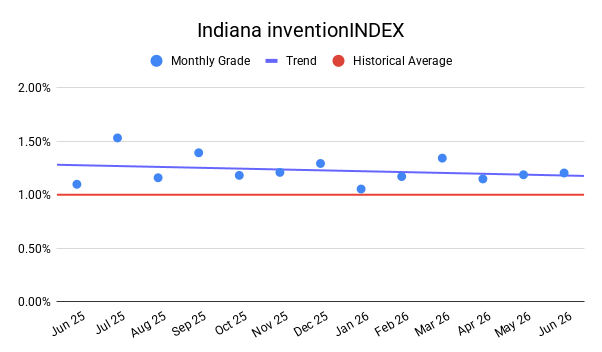
Answer Capsule: Key Findings Overview This comprehensive study explores the intricate federal and Indiana state Research and Development (R&D) tax credit requirements, focusing on the Bloomington, Indiana ecosystem. It provides deep-dive case studies into Life Sciences, CDMOs, Defense Contracting, AI/Digital Health, and Advanced Limestone Manufacturing. Emphasizing rigid documentation standards enforced by the Indiana Department of Revenue and the impact of the One Big Beautiful Bill Act (OBBBA) on IRC Section 174, the study demonstrates how regional industries can strategically align operational engineering with statutory tax requirements to maximize innovation capital.
This comprehensive study details the rigorous statutory requirements of the United States federal and Indiana state Research and Development tax credit frameworks. It subsequently provides an exhaustive analysis of five unique, localized industry case studies, demonstrating precisely how the historical economic development of Bloomington, Indiana, intersects with these complex tax incentives to drive continuous technological innovation.
Industry Case Studies: Origins and R&D Credit Applications in Bloomington, Indiana
The economic landscape of Bloomington, Indiana, located in Monroe County, represents a sophisticated confluence of advanced manufacturing, life sciences, defense contracting, and software technology. This industrial concentration is not a product of geographic coincidence; rather, it is the deliberate result of multi-generational entrepreneurship, massive federal defense investments, and the academic engine of Indiana University. To understand the practical application of the United States federal and Indiana state Research and Development (R&D) tax credit laws, one must analyze the specific industries that have taken root in this region. The following five case studies detail the historical development of these sectors within Bloomington and provide exhaustive hypothetical scenarios demonstrating how regional enterprises navigate the stringent statutory requirements of Internal Revenue Code (IRC) Section 41 and Indiana Code (IC) 6-3.1-4 to secure vital innovation capital.
The Life Sciences and Medical Device Manufacturing Industry
The life sciences sector in Bloomington traces its profound and transformative roots to the year 1963, when local entrepreneurs Bill and Gayle Cook founded Cook Incorporated. Operating initially out of a spare bedroom in their Bloomington apartment, which served as their first rudimentary factory, the Cooks utilized basic tools such as a blowtorch, a soldering iron, and plastic tubing to construct the three primary components required for percutaneous catheterization: wire guides, needles, and catheters. A pivotal moment occurred that same year when Bill Cook met Dr. Charles Dotter at a Radiological Society meeting in Chicago. This chance encounter forged a relationship predicated on a shared vision to discover simpler, more efficient methods for treating patients, thereby catalyzing the entire global field of minimally invasive medicine. From this localized, humble inception, Cook Group Incorporated expanded into a multi-billion-dollar global enterprise comprising multiple divisions, including Cook Medical, and employing over 12,000 individuals worldwide. The gravitational pull of Cook’s success firmly anchored Bloomington as a premier life sciences hub, attracting highly specialized talent, intricate supply chains, and significant competitors. Today, Monroe County serves as the operational home for global leaders such as Catalent, Simtra (formerly Baxter), and Singota Solutions, while Boston Scientific operates a massive facility just fourteen miles away in the neighboring town of Spencer. Consequently, over 10,000 residents in the regional community are employed directly in the life sciences sector, making Indiana the second-highest exporter of life sciences products in the United States.
To demonstrate how the R&D tax credit applies to this entrenched industry, one must consider a hypothetical scenario involving a mid-sized Bloomington-based medical device manufacturer that evolved from the regional Cook ecosystem. This entity initiates a highly capital-intensive R&D project to engineer a novel, bioresorbable cardiovascular stent. The objective is to design a device that provides adequate radial strength to keep an artery open but is engineered to degrade safely within the human bloodstream over a precise twenty-four-month period, thereby eliminating the long-term complication risks associated with permanent metallic implants and negating the need for secondary extraction surgeries. To claim the United States federal R&D tax credit and the Indiana Research Expense Credit (REC), the manufacturer must rigorously demonstrate that this project satisfies the statutory four-part test codified under IRC Section 41(d).
First, the project must satisfy the Section 174 Test, which dictates that the expenditures must be incurred in connection with the taxpayer’s trade or business and represent research and development costs in the experimental or laboratory sense. The Bloomington manufacturer meets this standard because the laboratory costs are incurred to discover specific polymer formulations that eliminate the technical uncertainty regarding whether a stent can maintain structural integrity while possessing bioresorbable properties without causing localized tissue toxicity. Second, the research satisfies the Discovering Technological Information Test because the formulation and testing processes fundamentally rely on the hard sciences, specifically organic chemistry, polymer materials science, and human biological sciences. Third, the project passes the Business Component Test because the bioresorbable stent is a tangible new product intended for commercial sale by the taxpayer to healthcare providers. Finally, the manufacturer must satisfy the arduous Process of Experimentation Test. The engineering teams formulate over thirty distinct variations of a polylactic acid (PLA) and magnesium alloy blend. They design and execute a systematic process to evaluate these alternatives by running in vitro degradation simulations, radial crush tests, and accelerated fatigue testing using closed-loop, physiological flow systems. Data concerning polymer degradation rates and structural failure points are logged, hypotheses regarding polymer ratios are rejected, and iterative improvements are made until a viable, safe prototype is achieved.
Eligible Qualified Research Expenses (QREs) for this project would encompass the W-2 taxable wages of the formulations scientists, computer-aided design (CAD) engineers, process chemists, and the quality assurance specialists directly conducting the bench testing. Furthermore, the costs of supplies consumed or destroyed during the experimental process—such as the raw PLA polymers, the magnesium alloys, chemical testing reagents, and the prototype molds—are fully eligible. For Indiana REC compliance, the manufacturer must maintain strict, contemporaneous laboratory notebooks, digital time-tracking records, and iteration logs signed and dated by the lead engineers. Indiana’s Department of Revenue (DOR) enforces a much stricter evidentiary standard than federal authorities; failure to provide contemporaneous records linking specific employee time to the resolution of the specific polymer uncertainty will result in a total denial of the state credit, regardless of the technological merit of the stent.
Biopharmaceutical Contract Development and Manufacturing Organizations (CDMOs)
Stemming directly from the advanced medical device infrastructure established in the late twentieth century, Bloomington developed a massive, highly specialized footprint in advanced biopharmaceutical manufacturing. Recognizing the fragmented nature of global drug development, Bill Cook founded Cook Pharmica in 2004 as a dedicated division of the Cook Group. Cook envisioned a Contract Development and Manufacturing Organization (CDMO) that would operate under a unique “One Source, One Location” model. To realize this vision, the company constructed an 875,000-square-foot state-of-the-art facility in Bloomington, designing it to accommodate the entire lifecycle of biopharmaceutical production—from initial mammalian cell culture process development to large-scale clinical manufacturing, analytical testing, aseptic syringe filling, and final secondary packaging. This integrated model proved immensely successful, allowing pharmaceutical clients to accelerate the delivery of life-enhancing therapies by eliminating the logistical friction of transferring materials between disparate global facilities. In 2017, Catalent, a global provider of advanced delivery technologies, recognized the strategic value of this Bloomington asset and acquired Cook Pharmica for $950 million. Under Catalent’s ownership, the facility experienced exponential growth. The company initiated massive capital expenditures, including a $14 million expansion dedicated solely to biologics packaging capabilities, which involved renovating 15,000 square feet to install five new automated packaging suites and high-speed flexible lines. Further investments exceeding $100 million were committed to expand drug substance manufacturing and install high-speed vial lines utilizing ready-to-use components, cementing Bloomington’s status as a critical node in the global pharmaceutical supply chain.
The application of R&D tax credits within a CDMO environment involves highly complex, process-oriented engineering. Consider a scenario where a Bloomington-based CDMO is contracted by an external, multinational pharmaceutical client to develop a highly automated, sterile fill-finish process and a custom blister-packaging line for a newly approved, highly volatile, and temperature-sensitive biologic drug. The engineering teams face profound technical uncertainty regarding how to scale the lyophilization (freeze-drying) cycle without causing irreversible protein denaturation in the biologic material, and how to design custom robotic end-effectors capable of handling fragile glass vials at rates exceeding four hundred units per minute without inducing microscopic glass fractures that would compromise sterility.
This endeavor qualifies as R&D because it seeks to discover technological information to develop a new or improved manufacturing process (the Business Component). The process of experimentation involves the CDMO’s process engineers utilizing advanced thermodynamic modeling software to simulate varying pressure and temperature ramps during the lyophilization cycle. Simultaneously, automation engineers build 3D-printed prototype end-effectors, test them on dummy vials to measure stress distributions, and iteratively rewrite the programmable logic controller (PLC) code to optimize torque and deceleration parameters, systematically eliminating designs that result in vial breakage. The eligible QREs include the wages of the manufacturing engineers, automation programmers, and validation technicians engaged in these activities, as well as the materials consumed during the trial runs.
However, CDMOs operating in Bloomington must navigate the perilous complexities of the Funded Research Exclusion under IRC Section 41(d)(4)(H), a provision that the Indiana DOR enforces with intense scrutiny. Because the CDMO is performing research on behalf of a pharmaceutical client, the expenses are categorically ineligible for the tax credit unless the CDMO can definitively prove two elements: first, that it bears the ultimate economic risk of the development’s failure, and second, that it retains substantial rights to the intellectual property generated by the research. During an audit, the Indiana DOR will dissect the Master Services Agreement (MSA) governing the project. If the contract stipulates a “time and materials” payment structure—meaning the CDMO is paid for its engineering hours regardless of whether the automated line successfully operates—the research is considered funded by the client, and the CDMO cannot claim the credit. To successfully claim the Indiana REC, the CDMO must operate under a firm-fixed-price contract where payment is strictly contingent upon successful validation of the packaging line, thereby establishing economic risk, and the contract must explicitly grant the CDMO the right to reuse the underlying automation code and robotic designs for future clients, thereby satisfying the substantial rights test.
The Defense and Electronic Warfare Ecosystem
The formidable defense sector in Bloomington is inextricably linked to the presence of the Naval Support Activity (NSA) Crane, a massive military installation located approximately twenty-five miles southwest of the city. The history of this installation dates back to 1941 when it was commissioned under the Bureau of Ordnance as a Naval Ammunition Depot, purposed for the production, testing, and storage of military weaponry during the Second World War. Spanning an immense ninety-eight square miles (over 64,000 acres), NSA Crane is the third-largest naval installation in the world by geographic area. Over the ensuing decades, as the strategic demands of the United States military evolved away from conventional ordnance toward complex technological supremacy, the base underwent a radical transformation. In the 1960s, it began providing technical support for weapons systems, including logistics and in-service engineering. Today, the principal tenant command, the Naval Surface Warfare Center (NSWC) Crane Division, operates as a premier high-tech hub focusing on total lifecycle support in three critical domains: Expeditionary Warfare, Strategic Missions, and Electronic Warfare. NSWC Crane employs over 3,800 civilian professionals, including an elite cadre of 2,500 scientists, engineers, and technicians. This massive concentration of federal engineering activity has spawned a robust ecosystem of private-sector defense contractors within Monroe County. Corporations such as Tri-Star Engineering, Warrant Technologies, CACI Technologies Inc., and Scientia LLC have established operations in Bloomington to provide rapid prototyping, systems integration, and advanced R&D support directly to the Department of Defense (DoD), leveraging the talent pipeline from nearby universities. In 2023, Indiana University formally announced a commitment to expand its collaboration with Crane, aiming to establish a prominent defense industry research institute within Bloomington.
The engineering challenges undertaken by these Bloomington-based defense contractors perfectly align with the statutory definitions of qualified research. Consider a hypothetical scenario where a local defense contractor partners with NSWC Crane to develop a next-generation, lightweight airborne sensor payload capable of real-time hypersonic missile tracking using advanced phased-array radar. The payload is explicitly designed to be retrofitted onto existing carrier-based aircraft, imposing severe weight and power constraints. Technical uncertainty exists regarding whether the miniaturized phased-array radar can process the massive, high-velocity data loads required for hypersonic tracking without inducing catastrophic thermal overload within the constrained housing. The research heavily relies on the physical sciences, specifically aeronautical engineering, electromagnetics, and computer science, thereby passing the technological information test.
The process of experimentation is rigorous and highly iterative. The contractor’s systems engineers utilize advanced computational fluid dynamics (CFD) software to model thermal dissipation across dozens of varying housing geometries. Subsequently, they construct physical breadboard prototypes of the radar circuits, place them inside thermal vacuum chambers to simulate high-altitude deployment, and meticulously measure signal degradation against temperature spikes. They iteratively redesign the internal heat sinks and rewrite the embedded processing logic to throttle power dynamically until all operational parameters and DoD specifications are reliably achieved. The W-2 wages of the systems engineers, electrical engineers, and software developers constitute eligible QREs, alongside the substantial costs of the specialized aerospace materials, titanium alloys, and testing hardware consumed to build the experimental prototypes.
Crucially, Bloomington defense contractors stand to benefit immensely from recent legislative shifts regarding IRC Section 174. Historically, these massive R&E expenditures were subjected to mandatory capitalization and five-year amortization under the Tax Cuts and Jobs Act (TCJA). However, with the enactment of the One Big Beautiful Bill Act (OBBBA), codified under the new Section 174A, defense contractors can permanently elect to immediately deduct these domestic R&E expenditures in the year they are incurred. This legislative reversal restores critical cash flow to the Bloomington defense ecosystem, enabling contractors to reinvest immediately into the rapid development of electronic warfare systems necessary for national security. Furthermore, when claiming the Indiana REC for these aerospace projects, contractors must meticulously document that the classified testing and prototype fabrication occurred physically within the state of Indiana to satisfy the state’s strict situs rule for research expenses.
Artificial Intelligence and Digital Health Software
Bloomington’s identity as a modern technology hub has accelerated at an unprecedented rate in the twenty-first century, a transformation driven almost entirely by the academic and entrepreneurial engine of Indiana University (IU). A foundational milestone occurred in the year 2000 when IU established the School of Informatics, recognized as the first information technology school of its kind globally. This innovative academic program was designed specifically to bridge the gap between pure computer science and diverse applied fields such as biology, microbiology, and even music. Recognizing the increasing convergence of these disciplines, the Department of Computer Science and the School of Informatics merged in 2005. In 2019, the institution received a transformative $60 million gift from tech pioneer and IU alumnus Fred Luddy—the second-largest private gift in the university’s history. This capital infusion established the Luddy School of Informatics, Computing, and Engineering, and funded the construction of a $22.8 million state-of-the-art Luddy Center for Artificial Intelligence, firmly orienting the school’s focus toward the intersection of AI and digital health. To ensure these academic discoveries translated into commercial economic development, the city of Bloomington established the “Trades District,” a Certified Technology Park built on sixty-five acres of downtown land. At the heart of this district is “The Mill,” a business incubator, coworking space, and epicenter for software entrepreneurship. Programs like IU Innovates, the IU Philanthropic Venture Fund, and the IU Angel Network actively channel capital and mentorship to Luddy School alumni, facilitating the rapid spin-off of AI startups into the Bloomington Trades District.
The application of R&D tax credits to software development requires navigating a distinct set of statutory criteria. Consider an AI startup based in The Mill, founded by a team of Luddy School bioinformatics graduates, that is developing a highly sophisticated, autonomous natural-language processing (NLP) chatbot. This software is designed to integrate seamlessly with consumer biometric wearable devices to detect the earliest microscopic signs of cognitive decline in older adults by analyzing subtle changes in speech cadence, syntax complexity, and correlating those linguistic markers with real-time physiological stress data. Technical uncertainty exists at the core of this project: the startup does not know if its proprietary machine learning algorithms can successfully filter ambient noise, isolate the linguistic markers, and correlate them with biometric telemetry to achieve a medically viable 95% predictive accuracy rate.
The research unequivocally relies on computer science and data engineering, satisfying the technological information test. The process of experimentation is conducted entirely within the codebase. The software engineering team develops multiple, distinct neural network architectures. They train these models over thousands of epochs using large, anonymized patient datasets. They conduct rigorous A/B testing on different natural language generation (NLG) logic trees and refine the data-ingestion pipelines to reduce computational latency. The team evaluates the algorithms’ performance metrics—specifically precision, recall, and F1 scores—and systematically discards underperforming code branches until the latency and accuracy thresholds are met.
The eligible QREs for this software development project include the substantial W-2 wages paid to the data scientists, back-end engineers, and machine learning specialists. Furthermore, under IRC Section 41(b)(2)(A)(iii), the startup can claim the significant expenses paid to third-party cloud service providers (such as Amazon Web Services or Microsoft Azure) for the right to use computer servers to host the development environments and execute the computationally massive machine learning training cycles. A critical distinction for software startups is the Internal Use Software (IUS) rule. Because this startup intends to commercialize the NLP chatbot by selling SaaS licenses to healthcare providers, it avoids the draconian IUS exclusions. Software developed solely for a taxpayer’s internal administrative functions (e.g., a custom HR portal) is subject to a much higher threshold of innovation to qualify for the credit, a hurdle this Bloomington startup successfully bypasses by developing a commercial product.
Advanced Limestone Extraction and Automated Tooling
While Bloomington is rapidly advancing in high-technology sectors, its historical economic foundation is built upon stone. Southern Indiana, specifically Monroe and Lawrence counties, sits atop one of the highest-quality deposits of architectural limestone in the world, known geologically as the Salem Limestone formation. Since the early nineteenth century, when the town of Bloomington was established as the county seat in 1818, the extraction and fabrication of this dimensional stone have defined the region’s industrial character. The “Indiana Limestone” quarried from this area was used to construct iconic American landmarks, including the Empire State Building, the Pentagon, and numerous state capitols. Historically, the limestone industry was exceptionally labor-intensive and relied heavily on analog, manual cutting techniques. However, in the modern era, faced with intense global competition and the need for precision manufacturing, the Bloomington limestone sector has been forced to undergo a radical technological evolution. Legacy companies, such as the Indiana Limestone Company, have abandoned disparate, outdated software in favor of integrated, cloud-based Enterprise Resource Planning (ERP) systems to manage complex, multi-site quarrying and manufacturing operations. Concurrently, the physical cutting of the stone has shifted toward highly automated, Computer Numerical Control (CNC) machinery. Supporting this modernization are specialized local tooling companies like Diamond Stone Technologies, which was established in Bedford (just south of Bloomington) in 2007, and subsequently expanded its capabilities by acquiring the circular diamond blade assets of historic local manufacturers.
Innovation within this heavy industrial sector is highly eligible for R&D tax incentives. Consider a scenario where a Bloomington-based industrial tool manufacturer serving the local limestone quarries initiates a project to engineer a new, highly specialized diamond-segmented circular blade. The objective is to design a blade capable of cutting high-density Salem limestone thirty percent faster than existing market tools without compromising the structural integrity of the stone (avoiding micro-fractures) and without causing rapid thermal degradation of the blade itself. To satisfy the Section 174 test, the manufacturer must demonstrate that it faces inherent technical uncertainty regarding the optimal metallurgical composition of the steel core, the exact concentration and bonding matrix of the industrial diamonds within the cutting segments, and the precise geometric spacing of the cooling slots required to dissipate extreme friction heat. This research relies fundamentally on metallurgy, mechanical engineering, and materials science, fulfilling the technological information requirement.
The process of experimentation involves a highly structured engineering workflow. Tooling engineers utilize advanced CAD software to design multiple blade profiles. They employ finite element analysis (FEA) to simulate the distribution of physical stress and harmonic vibrations across the steel core under heavy simulated loads. Based on these digital simulations, physical prototypes are manufactured; the steel cores are cut, and the experimental diamond segments are brazed onto the edges. These prototypes are then mounted onto automated CNC machines within the Bloomington facility. Systematic physical testing is conducted on raw limestone blocks, with engineers meticulously measuring the cutting speed, the temperature of the blade during operation, and the smoothness of the resulting stone surface. The chemical matrix bonding the diamonds is adjusted over successive, documented iterations until the precise balance of cutting efficiency and blade longevity is achieved.
The eligible QREs for this heavy manufacturing R&D project include the wages of the tooling engineers, the metallurgists, and the CNC operators tasked with running the experimental test cuts. Furthermore, the raw materials consumed or destroyed during the testing process—including the experimental steel cores, the diamond matrix compounds, and the raw limestone blocks used purely for testing purposes—qualify as experimental supplies under IRC Section 41(b)(2)(C). However, manufacturers in this sector must exercise extreme caution regarding the statutory exclusions for research conducted after commercial production. Under both federal and Indiana law, expenses incurred during preproduction tooling, validation of standard manufacturing runs, or routine “debugging” after the commercial release of the blade do not qualify as R&D. The Indiana DOR will aggressively audit manufacturing claims, and if the taxpayer cannot contemporaneously document the exact point at which experimental testing concluded and commercial production commenced, the state will disallow the expenses, citing a failure to distinguish between experimental tooling and routine manufacturing overhead.
The United States Federal R&D Tax Credit Framework: A Detailed Analysis
The United States federal Credit for Increasing Research Activities, codified under Section 41 of the Internal Revenue Code (IRC), is a premier statutory incentive designed to stimulate domestic economic growth by offsetting the substantial financial risks associated with technological innovation. Originally enacted by Congress in 1981, the credit provides a direct, dollar-for-dollar reduction in a corporate taxpayer’s federal income tax liability. The fundamental architecture of the credit dictates that it is calculated as a percentage (generally 20 percent under the regular method) of the taxpayer’s Qualified Research Expenses (QREs) that exceed a statutorily defined base amount. If a business cannot fully utilize the generated credit in the current tax year due to a lack of tax liability, the federal code permits the credit to be carried back one year or carried forward for up to twenty years, providing significant long-term financial utility.
The Definition and Categorization of Qualified Research Expenses (QREs)
The quantification of the R&D tax credit is strictly limited to expenses that fall within the definitions outlined in IRC Section 41(b). If an expense is not explicitly set forth within this section, it cannot be claimed as a QRE. The statute divides QREs into two primary categories: in-house research expenses and contract research expenses.
| Expense Category | Statutory Definition and Applied Limitations |
|---|---|
| In-House Wages | Taxable wages (defined by IRC § 3401(a), including salaries, bonuses, and stock option redemptions reported on Form W-2) paid or incurred to an employee for performing “qualified services.” Qualified services are strictly limited to three activities: (1) actually engaging in qualified research (e.g., the scientist at the bench), (2) directly supervising the research (first-line technical management), or (3) directly supporting the research (e.g., a machinist fabricating an experimental prototype or a technician cleaning laboratory equipment). |
| In-House Supplies | Amounts paid or incurred for tangible personal property that is used or consumed directly in the conduct of qualified research. This category expressly excludes land, land improvements, and any property subject to an allowance for depreciation (e.g., capitalized manufacturing equipment, buildings, or permanent testing apparatuses). |
| Computer Time-Sharing | Amounts paid to a third party for the right to use computers in the conduct of qualified research. In the modern context, this predominantly applies to expenses incurred for cloud computing services (e.g., AWS, Azure) utilized to host software development, testing environments, or run complex computational simulations. |
| Contract Research | Amounts paid or incurred by the taxpayer to any person (other than an employee) for qualified research performed on the taxpayer’s behalf. Statutorily, only 65 percent of these expenses may be claimed as QREs, reflecting an assumption that the remaining 35 percent constitutes the contractor’s overhead and profit. If the expenses are paid to a “qualified research consortium” (a tax-exempt organization organized primarily to conduct scientific research), the taxpayer may claim 75 percent of the expense. To qualify, the taxpayer must bear the economic risk of the research and retain substantial rights to the results. |
Recent Legislative Paradigms: The Volatility of IRC Section 174
A critical, macro-level component of contemporary R&D tax administration involves the highly volatile legislative status of IRC Section 174, which governs the deductibility of research and experimental (R&E) expenditures. The interplay between the Section 41 tax credit and the Section 174 deduction forms the bedrock of corporate innovation tax strategy.
Under the Tax Cuts and Jobs Act (TCJA) of 2017, a paradigm-shifting change was implemented: for taxable years beginning after December 31, 2021, taxpayers were stripped of the ability to immediately deduct R&E expenditures. Instead, they were statutorily required to capitalize all specified research or experimental (SRE) expenditures and amortize them over five years for domestic research and fifteen years for foreign research. This capitalization requirement severely impacted the cash flow of research-intensive businesses across the United States.
However, monumental legislative developments enacted for the 2025 and 2026 tax years—specifically the passage of the “One Big Beautiful Bill Act” (OBBBA) (P.L. 119-21)—have dramatically reversed this trajectory. The OBBBA enacted a new statutory provision, Section 174A, which permanently restores the ability of taxpayers to fully deduct (expense) domestic R&E expenditures in the very year they are paid or incurred, effective for taxable years beginning after December 31, 2024.
The OBBBA also introduced complex retroactive and transition rules to address the capitalized costs from the intervening years. Taxpayers are permitted to elect to accelerate their unamortized domestic R&E costs that were capitalized during the 2022 through 2024 tax years into the first tax year beginning after December 31, 2024 (effectively “turbo depreciating” the costs), or they possess the option to spread these deductions evenly across the 2025 and 2026 tax years to optimize taxable income profiles. Furthermore, small business taxpayers—defined as those with average annual gross receipts of $31 million or less over the prior three years—are granted extraordinary relief: they may apply the immediate expensing rules retroactively to taxable years beginning after December 31, 2021, by filing amended returns, unlocking massive potential tax refunds. It is vital to note that this legislative relief under Section 174A applies exclusively to domestic research; foreign R&E expenditures remain strictly subject to the arduous 15-year capitalization and amortization requirement under the unamended provisions of Section 174, incentivizing the onshoring of research activities.
The Indiana State Research Expense Credit (REC): Statutory Guidelines and Case Law
The State of Indiana actively seeks to cultivate a pro-business, high-technology economy by offering state-level tax incentives that complement the federal framework. The primary mechanism for this is the Indiana Research Expense Credit (REC), codified under Indiana Code (IC) Title 6, Article 3.1, Chapter 4 (IC 6-3.1-4). The Indiana REC is a non-refundable credit applied against a taxpayer’s adjusted gross income tax liability, designed to incentivize businesses to locate and expand their high-paying research operations specifically within Indiana’s borders.
Computation Mechanics of the Indiana REC
To calculate the Indiana REC, a taxpayer must first isolate their Indiana Qualified Research Expenses (Indiana QREs), which are fundamentally defined by IRC Section 41(b) but geographically restricted: the expenses must be incurred for qualified research physically conducted within the State of Indiana. Pass-through entities, such as S corporations and partnerships, are permitted to calculate the credit at the entity level and pass the resulting tax benefit through to their individual shareholders and partners. Unused Indiana RECs may be carried forward for a maximum of ten taxable years; however, IC 6-3.1-4-3(b) mandates a strict ordering rule wherein a current year credit must be exhausted to offset the current year’s tax liability before any carried-forward credits from prior years can be applied.
Taxpayers possess the statutory option to calculate the Indiana REC utilizing one of two distinct methodologies, depending on their historical expenditure profiles:
| Computation Method | Statutory Calculation Formula |
|---|---|
| The Regular Method | Applicable to expenses incurred on or after January 1, 2008. The taxpayer must subtract a calculated “base amount” (derived from historical gross receipts and historical Indiana QREs) from the current year’s Indiana QREs. The resulting difference is the eligible increase. The credit is equal to 15 percent of this increase, up to a maximum of $1 million. If the increase in QREs exceeds $1 million, the credit is calculated as 15 percent of the first $1 million, plus 10 percent of the excess amount over $1 million. |
| The Alternative Simplified Credit (ASC) | Available for Indiana QREs incurred after December 31, 2009. At the taxpayer’s election, the credit is calculated as 10 percent of the amount by which the current year’s Indiana QREs exceed 50 percent of the taxpayer’s average Indiana QREs for the three preceding taxable years. If the taxpayer is a start-up or had zero Indiana QREs in any one of the three preceding taxable years, the credit is simply equal to 5 percent of the current year’s Indiana QREs. |
The Strict Evidentiary Standards of the Indiana Department of Revenue
While the structural definition of a QRE in Indiana mirrors the federal code, the enforcement and evidentiary standards demanded by the Indiana Department of Revenue (DOR) during audits are notoriously stringent, often surpassing federal scrutiny. Indiana operates on the foundational premise that tax credits are a matter of legislative grace, and the burden of proving entitlement rests entirely and heavily upon the taxpayer claiming the credit.
The defining characteristic of an Indiana REC audit is the DOR’s absolute insistence on contemporaneous documentation. The taxpayer must provide verifiable records created at the exact time the research was conducted that explicitly link the claimed expenses (e.g., specific hours worked by a specific employee) to the specific technological uncertainty being investigated on a specific business component. Recent administrative rulings illustrate this unforgiving standard. In Letter of Findings (LOF) 02-20190975 and LOF 02-20191105, the DOR disallowed extensive research credits, explicitly stating that while federal examiners and the federal Tax Court sometimes accept oral testimony and post-hoc estimates to reconstruct activities (often relying on the federal Cohan rule), Indiana flatly rejects this approach. The DOR ruled that “interviewing employees to reconstruct the activities believed to qualify… is insufficient in determining what employees did and whether such expenses qualify”.
Similarly, in LOF 01-20210138 involving an Indiana Machining and Milling Company, the DOR categorically rejected the taxpayer’s attempt to substantiate their wage QREs using a combination of employee interviews, retrospective time estimates, and statistical sampling, asserting that such methodologies do not clearly establish entitlement to the credit under Indiana law. Furthermore, in LOF 04-20210296, the DOR denied a claim where a manufacturing taxpayer simply allocated a flat 80 percent of the wages of all employees in their “Tool Room” to R&D, ruling that without precise documentation tying those wages to specific qualified sub-components, the expenses were unsubstantiated.
Case Law Precedent: Tell City Boatworks, Inc. v. Indiana Department of State Revenue
The pinnacle of Indiana’s rigorous interpretation of the federal four-part test is formalized in the landmark Indiana Tax Court decision, Tell City Boatworks, Inc. v. Indiana Department of State Revenue (18T-TA-4), decided in May 2019. This case of first impression critically examined the application of the “Process of Experimentation” test within a heavy manufacturing context.
Tell City Boatworks, an established custom boat manufacturing firm operating along the Ohio River, filed an amended corporate income tax return for the 2010 tax year, claiming a substantial refund based on increased research activities related to the design and construction of three specific vessels (designated as Projects 107, 109, and 111). The Indiana DOR audited the claim and denied the refund in its entirety, prompting Tell City to appeal to the Indiana Tax Court.
Following a five-day trial, the Tax Court issued a ruling affirming the DOR’s denial, systematically dissecting the taxpayer’s claim against the four-part test. The Court conceded that the three vessel projects successfully cleared the first three hurdles: they met the Business Component test (they were new products intended for sale), the Technological Information test (the shipbuilding relied on engineering principles), and the Section 174 test (the expenses were R&E costs in the laboratory sense). However, the taxpayer’s case collapsed entirely upon the fourth hurdle: the Process of Experimentation test.
The Tax Court ruled that to satisfy this final test, a taxpayer must prove that substantially all (80 percent or more) of the research activities constituted a systematic process of evaluating alternatives to discover information that eliminates the core technological uncertainty. The Court found that while building a custom boat inherently involves resolving design challenges, Tell City Boatworks primarily utilized established, known engineering techniques and trial-and-error methods common to standard shipbuilding, rather than engaging in a true scientific process of experimentation. Because the taxpayer failed to produce the requisite creditable, contemporaneous documentation proving that an organized, experimental evaluation of alternatives had occurred, they failed to meet their burden of proof. This ruling established a formidable precedent in Indiana, explicitly warning manufacturers that routine engineering, custom fabrication, and standard debugging do not equate to qualified research under the law.
The Interplay of Contract Law and the Funded Research Exclusion
Another area of intense scrutiny in Indiana is the application of the Funded Research Exclusion, codified under IRC Section 41(d)(4)(H). As demonstrated in the CDMO case study, research expenses are statutorily ineligible if the research is financed by another party and the taxpayer does not bear the economic risk of failure or fails to retain substantial rights to the research results. The policy rationale is to prevent taxpayers from subsidizing their R&D via state tax credits when the financial burden of the innovation has already been assumed by a client.
In evaluating economic risk, the Indiana DOR engages in sophisticated legal analyses of the commercial contracts governing the research. Recent judicial interpretations and DOR audits confirm that establishing economic risk often requires analyzing how the specific terms of a Master Services Agreement interact with mandatory state commercial law, such as the Indiana Uniform Commercial Code (UCC). In a recent case summarized by Grant Thornton, the IRS (and by extension, state authorities utilizing federal definitions) asserted that the warranty provisions within a contract overrode the general remedies provided to buyers under Indiana law, thereby removing the economic risk from the researcher. However, the Tax Court disagreed in that specific instance, finding that under Indiana state law, if the research failed, the buyer retained the right to demand a refund of payments made, meaning the payments were contingent upon success, and thus the researcher bore the economic risk and the research was not “funded”. This illustrates that Indiana REC claims involving contract research require not just tax expertise, but deep proficiency in state-level contract and commercial law.
Strategic Alignment for Bloomington Taxpayers
To successfully leverage these complex tax incentives, enterprises operating within Bloomington’s diverse economic ecosystems must integrate rigorous tax planning deeply into their engineering, financial, and legal workflows.
The enactment of the OBBBA presents an unprecedented opportunity for immediate cash-flow generation, particularly for capital-intensive sectors like the defense contractors supporting NSWC Crane and the life sciences manufacturers continuing the Cook legacy. Chief Financial Officers must proactively model the impact of Section 174A expensing versus the complex retroactive transition rules to optimize their corporate tax liabilities for the 2025 and 2026 fiscal years. Concurrently, startups incubating within The Mill must ensure that any outsourced software development complies strictly with Indiana’s situs rule; contract research expenses are only eligible for the state REC if the actual physical experimentation and coding occur within the geographical borders of Indiana.
Most critically, the legacy of the Tell City Boatworks decision and the uncompromising stance of the Indiana DOR regarding contemporaneous documentation necessitate a fundamental shift in corporate culture. The era of retroactively estimating R&D percentages during tax season is unequivocally over in Indiana. Bloomington firms must implement robust, real-time tracking systems wherein engineers log their time against specific technological uncertainties, and preserve all laboratory notebooks, CAD iterations, and failed test logs. Only by establishing an indisputable, contemporaneous evidentiary record can Bloomington’s innovators safely navigate the audit gauntlet and secure the vital tax credits required to sustain their technological leadership.
The information in this study is current as of the date of publication, and is provided for information purposes only. Although we do our absolute best in our attempts to avoid errors, we cannot guarantee that errors are not present in this study. Please contact a Swanson Reed member of staff, or seek independent legal advice to further understand how this information applies to your circumstances.