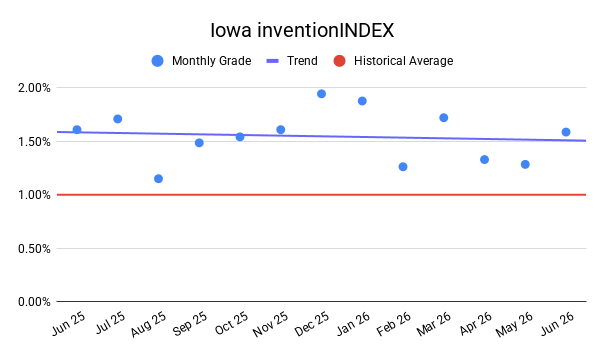
Industry Case Studies: Origins, R&D Activities, and Tax Credit Eligibility in Ames, Iowa
The formulation and execution of corporate research and development do not occur in a vacuum; they are heavily influenced by regional ecosystems that provide talent, specialized infrastructure, and regulatory proximity. Ames, Iowa, represents a highly specialized node of technological and biological innovation within the United States. Situated in Story County, the city of approximately 65,000 residents operates as a premier location for startups, mature R&D enterprises, and global manufacturing operations. The geographic and historical development of Ames is inextricably linked to Iowa State University (ISU), a foundational land-grant institution globally renowned for its engineering, computer science, and agricultural sciences programs. The university acts as the primary workforce pipeline and research catalyst for the region. Complementing the university’s academic engine is the Iowa State University Research Park (ISURP), a 550-acre innovation hub founded in 1987. ISURP houses over 145 companies employing approximately 2,500 people, ranging from embryonic biotech startups to global conglomerates.
The following five case studies examine specific industries that have organically developed in Ames and evaluate how their highly specialized technical activities satisfy state and federal R&D tax credit requirements.
Software and Data Technology: Workiva
The software and data technology cluster in Ames traces its lineage directly to the deep computer science and engineering programs at Iowa State University. In 1990, ISU alumni founded Engineering Animation Inc. (EAI), pioneering three-dimensional animation for legal and industrial applications. Following the acquisition of EAI by Siemens, several of its core founders—including Matthew Rizai, Martin Vanderploeg, and Jeff Trom—leveraged the local talent pool to found WebFilings LLC in Ames in August 2008. The enterprise was born from the founders’ professional frustration with the cumbersome, manual nature of Securities and Exchange Commission (SEC) compliance and financial reporting following the passage of the Sarbanes-Oxley Act. Rebranded as Workiva prior to its 2014 initial public offering, the company maintains its global headquarters in the ISU Research Park, capitalizing on the continuous pipeline of software engineers and proximity to advanced cloud-computing research. Today, Workiva operates as a global Software-as-a-Service (SaaS) leader with a market capitalization exceeding four billion dollars, employing over 2,800 individuals across sixteen global offices.
Workiva develops complex, artificial intelligence-powered cloud platforms designed to streamline financial, environmental, social, and governance (ESG), and governance, risk, and compliance (GRC) data. The development of Workiva’s core platform and subsequent AI integrations heavily relies on principles of computer science, satisfying the federal “technological in nature” test required under Internal Revenue Code (IRC) Section 41. When Workiva architects new proprietary algorithms to allow thousands of users globally to link and concurrently edit secure financial data without latency or data corruption, the engineering teams face immense technical uncertainty regarding database architecture, load balancing, and cryptographic security. The iterative processes of writing code, running load simulations, and systematically debugging these architectures constitute a rigorous process of experimentation. The wages paid to Ames-based software engineers, systems architects, and quality assurance testers engaged in these tasks serve as the primary Qualified Research Expenses (QREs) under federal law.
Under the stringent new Iowa Senate File 657 (SF 657) guidelines, which overhaul the state’s R&D credit system effective in 2026, Workiva firmly aligns with the “Technology and Innovation” primary industry and the specific “Software and technology” sub-sector. Because software development relies almost exclusively on human capital and cloud computing environments rather than physical material supplies, Workiva is structurally insulated from Iowa’s recent legislative phase-out of supply expenses as eligible QREs. However, recent state administrative changes disallow computer rental costs, meaning Workiva cannot include external cloud hosting costs utilized for development sandboxes in its Iowa state calculation, despite those costs generally being permissible under federal regulations.
Precision Agricultural Technology (AgTech): Ag Leader Technology
Ames sits at the intersection of heavy industrial manufacturing and some of the world’s most productive agricultural land, fostering a unique AgTech ecosystem. Iowa boasts the highest concentration of agricultural engineers of any state in the nation. In the 1980s, Al Myers, an engineer working at the Sundstrand hydro-transmission plant in Ames, observed profound inefficiencies in agricultural harvesting data collection. Driven by economic downturns and research cuts in the aerospace and hydraulics sectors during the early 1980s, Myers departed to found Ag Leader Technology in Ames. Relying on the deep local knowledge base of mechanical engineering and agronomy, Ag Leader developed the Yield Monitor 2000 in the early 1990s—widely recognized as the industry’s first commercially successful on-the-go yield monitor. The company has since evolved into a premier global developer of precision farming hardware and software, covering planting, application, and harvest controls.
Ag Leader’s R&D involves integrating ruggedized hardware, such as sensors, hydraulic valves, and GNSS receivers, with complex spatial mapping software tailored for chaotic, real-world agricultural environments. When Ag Leader attempts to engineer a new multi-channel fluid application control system that must interface with the proprietary Controller Area Network (CAN) bus systems of diverse tractor manufacturers, they face significant systems engineering uncertainties. The iterative testing of hydraulic flow rates, sensor calibration, and software latency inside environmentally controlled chambers and during live field trials constitutes a rigid process of experimentation. Eligible federal QREs include the wages of mechanical, electrical, and agricultural engineers, as well as the cost of the tangible materials, such as circuit boards, hydraulic manifolds, and raw metal, consumed during the creation of failed prototypes.
For state tax purposes, Ag Leader qualifies under the “Advanced Manufacturing” and “Technology and Innovation” sectors, specifically aligning with the SF 657 sub-sectors of medical equipment and supplies (analogous hardware manufacturing) or software and technology. Unlike pure software firms, Ag Leader relies heavily on physical prototyping. The Iowa legislature’s recent phase-out of supply QREs severely penalizes hardware-centric AgTech firms, forcing Ag Leader to eventually base its entire Iowa R&D claim solely on engineering wages and third-party contract research. Furthermore, under the Iowa Department of Revenue’s strict interpretation requiring that one hundred percent of claimed activities constitute a process of experimentation, Ag Leader must rigorously separate routine quality control testing from genuine developmental field testing, as the state will not tolerate the twenty percent non-experimental margin allowed by the federal government.
Animal Health Diagnostics and Immunotherapies: Harrisvaccines (Merck Animal Health)
The animal health bioscience cluster in Ames is a direct result of historical institutional proximity. Ames serves as the epicenter of United States animal health research and regulation, hosting the United States Department of Agriculture (USDA) National Centers for Animal Health (NCAH). This 523-acre campus includes the National Animal Disease Center (NADC), the National Veterinary Services Laboratories (NVSL), and the Center for Veterinary Biologics (CVB). The CVB is the primary federal regulatory body responsible for licensing animal vaccines and biologics in the United States. This regulatory concentration, combined with the ISU College of Veterinary Medicine—the nation’s oldest continuously operating public veterinary school, founded in 1879—dictates that any company wishing to rapidly license a veterinary biologic benefits immensely from geographic co-location.
Recognizing this synergy, ISU professor Dr. Hank Harris founded Harrisvaccines in Ames to combat emerging swine and poultry diseases using advanced molecular science. Harrisvaccines utilized a groundbreaking RNA Particle technology platform, known as SirraVax, to sequence pathogen genetics directly from farm samples and rapidly synthesize herd-specific vaccines without relying on traditional, slow live-virus culturing methods. Their success in securing the first USDA conditional licenses for Porcine Epidemic Diarrhea Virus (PEDv), which had decimated the swine industry by killing over eight million piglets, and highly pathogenic avian influenza, led to the company’s acquisition by Merck Animal Health in 2015.
The development of RNA-based immunotherapies involves profound biological and chemical complexity. When an outbreak occurs, scientists must isolate the virus, sequence its genetic code, identify the specific gene encoding the antigen, and successfully insert that gene into an RNA vector particle. This work represents the zenith of biological science, definitively satisfying the federal requirement that the research be technological in nature. The uncertainty lies in the stability of the RNA particle, the strength of the resulting immune response in the host animal, and the scalable viability of the formulation. The process of experimentation involves synthesizing multiple iterations of the vaccine, conducting in vitro assays, and running highly controlled in vivo clinical trials on livestock. The wages of the microbiologists, virologists, and laboratory technicians, along with the immense cost of laboratory supplies including reagents, pipettes, biological media, and specialized test animals consumed in the research, represent massive federal QREs.
Under Iowa’s SF 657, animal health R&D is highly prioritized. The activities map perfectly to the “Bioscience” primary category and the “Diagnostic analytics and immunotherapies” and “Pharmaceuticals” sub-sectors. However, the cost of conducting biological research is heavily skewed toward expensive consumable reagents. The state-level phase-out of supply QREs drastically reduces the quantifiable tax credit base for pharmaceutical operations in Iowa. Biologics manufacturers must maximize the capture of their highly compensated scientific labor wages to offset the loss of supply expenditures in their state credit calculation.
Advanced Manufacturing and Mobile Hydraulics: Danfoss Power Solutions
Ames has maintained a robust heavy manufacturing base throughout the twentieth century, driven by the state’s logistical infrastructure and a high concentration of machinery manufacturing employees. In the late 1960s, Sundstrand Corporation, a Rockford, Illinois-based manufacturer of aerospace and industrial products, established a hydrostatic transmission plant in Ames. The facility tapped into the mechanical engineering talent graduating from ISU. Over decades of corporate evolution—including the integration of Sauer-Sundstrand and eventual acquisition by the Danish conglomerate Danfoss—the Ames facility has grown into a global center for Danfoss Power Solutions. The site specializes in engineering and manufacturing complex mobile hydraulics, electronic controls, PVG proportional valves, and hydrostatic steering components for off-highway and construction machinery.
Danfoss continuously innovates to meet the global demand for energy-efficient, high-power-density hydraulic systems that must operate in extreme temperatures and under massive physical loads. Developing a next-generation variable displacement piston pump involves conquering uncertainties related to fluid dynamics, cavitation limits, metallurgy, and thermal dissipation. Danfoss engineers must utilize computer-aided design, finite element analysis (FEA), and destructive physical testing on hydraulic test benches within their 8,700-square-foot Application Development Center to evaluate alternate seal geometries and valve porting designs.
Because Danfoss frequently engineers bespoke hydraulic solutions directly for heavy equipment original equipment manufacturers (OEMs), they must carefully navigate the federal “Funded Research Exception” under IRC Section 41(d)(4)(H). If an OEM pays Danfoss specifically to develop a new pump, Danfoss must ensure their development contracts assign the economic risk of failure to Danfoss through mechanisms such as fixed-price contracts for a functional prototype. They must also explicitly reserve their rights to the underlying hydrostatic intellectual property; otherwise, the Internal Revenue Service may exclude the activity as funded research. At the state level, Danfoss easily qualifies as an “Advanced Manufacturing” entity. However, similar to other hardware developers, they face severe state-level headwinds regarding the phase-out of physical supply costs, such as raw metals and hydraulic fluid destroyed during testing, as well as the rigorous administrative enforcement of the absolute experimentation threshold.
Bioindustrial Manufacturing and Fermentation: BioMADE at the ISU Research Park
While traditional bioscience discovers new molecules, bioindustrial manufacturing focuses on how to mass-produce those molecules efficiently using biological systems, such as genetically engineered yeast or bacteria. Iowa leads the nation in biomass feedstock production, including corn, soybeans, and cellulosic fiber, making it an ideal geographic location for commercial biomanufacturing. Recognizing a critical national security and economic gap in the transition from laboratory science to commercial production—a chasm often referred to as the “Valley of Death”—the United States Department of Defense Manufacturing Innovation Institute, BioMADE, partnered with the ISU Research Park. Backed by funding from the Iowa Economic Development Authority (IEDA) and ISU, BioMADE is establishing a forty-million-dollar, 15,000-square-foot multi-user scale-up facility in Ames. Co-located near the ISU BioCentury Research Farm, the facility features 10,000-liter industrial fermenters, dry and wet labs, and downstream processing capabilities.
The core purpose of the BioMADE facility is to de-risk the scale-up of agricultural bioproducts, alternative chemicals, and synthetic food ingredients. A biological process that functions perfectly in a two-liter laboratory flask often fails catastrophically in a 10,000-liter industrial fermenter due to differences in oxygen transfer rates, fluid shear stress, and heat dissipation. When a private startup leases space at the BioMADE facility to scale a proprietary genetically modified microbe, the entire exercise is an attempt to eliminate the technical uncertainty of industrial-scale biological thermodynamics and metabolic engineering. The testing of different impeller speeds, nutrient feeding strategies, and downstream filtration methodologies constitutes the required process of experimentation.
Eligible federal QREs for these startups include the wages of the bioprocess engineers and the massive quantities of biological feedstock and chemical inputs consumed during the pilot runs. Furthermore, under IRC Section 41(b)(3)(C), amounts paid by a taxpayer to a “qualified research consortium”—such as a 501(c)(3) organization operated primarily to conduct scientific research—are eligible for a highly favorable 75 percent inclusion rate rather than the standard 65 percent contract research rate. This statutory nuance provides a distinct financial advantage to startups partnering with university-affiliated institutes. Under state law, bio-fermentation perfectly aligns with the SF 657 targeted sectors of “Bioscience” and sub-sectors like “Second-generation food innovation,” “Food ingredients and supplements,” or “Crop protection”. Startups utilizing the BioMADE facility will be highly competitive candidates for the state’s newly capped forty-million-dollar annual credit pool.
Detailed Analysis of United States Federal R&D Tax Credit Laws
The federal Research and Experimentation Tax Credit, commonly referred to as the R&D Tax Credit, was established under Section 41 of the Internal Revenue Code to incentivize domestic innovation, technological advancement, and economic growth. The credit allows taxpayers to recover a percentage of their Qualified Research Expenses to offset their federal income tax or, in certain startup scenarios, payroll tax liabilities.
Statutory Framework and the Four-Part Test
To qualify for the federal R&D tax credit, a taxpayer must demonstrate that their research activities satisfy a rigid statutory “Four-Part Test” outlined in IRC Section 41(d). These tests must be applied separately to each “business component”—defined as a product, process, computer software, technique, formula, or invention—developed or improved by the taxpayer.
The first hurdle is the Section 174 Test, or the Permitted Purpose test. The expenditures must be eligible to be treated as expenses under IRC Section 174, meaning they must be incurred in connection with the taxpayer’s trade or business and represent research and development costs in the experimental or laboratory sense. The activity must be intended to develop a new or improved business component resulting in new or improved function, performance, reliability, or quality. Research related solely to style, taste, cosmetic, or seasonal design factors is explicitly excluded by statute.
Second, the research must pass the Technological in Nature Test. The research must be undertaken for the purpose of discovering information that is technological in nature, meaning the process of experimentation must fundamentally rely on principles of the physical or biological sciences, engineering, or computer science.
Third, the taxpayer must satisfy the Elimination of Uncertainty Test. The taxpayer must demonstrate that at the outset of the research, there was technical uncertainty regarding the capability or method of developing or improving the business component, or the appropriate design of the business component.
Finally, the taxpayer must pass the Process of Experimentation Test. The taxpayer must identify and conduct a systemic process of evaluating one or more alternatives intended to eliminate the identified technical uncertainty. This involves modeling, simulation, or systematic trial and error. Under federal regulations, a “substantially all” rule applies, dictating that if eighty percent or more of the taxpayer’s research activities for a business component constitute a process of experimentation, the entire component is generally deemed to meet the test.
Qualified Research Expenses (QREs) and Calculation Methodologies
Under federal law, eligible QREs are strictly defined and generally categorized into three primary areas: wages, supplies, and contract research. Wages encompass W-2 taxable wages paid to employees who are directly performing, directly supervising, or directly supporting qualified research activities. Supplies are defined as tangible property, excluding land, improvements to land, and depreciable property, that is consumed or destroyed during the process of experimentation. Contract research refers to payments made to third-party contractors for performing qualified research on behalf of the taxpayer. Under federal rules, these expenses are typically subject to a statutory haircut, with only 65 percent of the cost qualifying, though this increases to 75 percent if paid to certain qualified research consortia.
Taxpayers generally utilize one of two calculation methodologies to determine their final credit amount. The Regular Credit method calculates the credit as 20 percent of the QREs for the current year that exceed a base amount. This base amount is calculated by multiplying a fixed-base percentage by the taxpayer’s average annual gross receipts for the four preceding taxable years. Alternatively, the Alternative Simplified Credit (ASC) method calculates the credit as 14 percent of the current year QREs that exceed 50 percent of the average QREs for the three preceding taxable years.
| Federal QRE Category | Statutory Definition | Inclusion Rate |
|---|---|---|
| Wages | W-2 Box 1 wages for direct performance, supervision, or support of R&D | 100% |
| Supplies | Tangible property consumed in R&D (excluding land and depreciable assets) | 100% |
| Contract Research | Payments to third parties bearing economic risk for R&D | 65% |
| Consortium Research | Payments to qualified 501(c)(3) or 501(c)(6) scientific organizations | 75% |
Payroll Tax Offsets for Qualified Small Businesses
Historically, the federal credit could only offset income tax liability, which rendered it less immediately valuable to pre-revenue startups operating at a loss. However, current federal law allows eligible “Qualified Small Businesses” to elect to apply up to $250,000 per year of their R&D credit against the employer portion of their payroll taxes, specifically the Old-Age, Survivors, and Disability Insurance (OASDI) portion of the Federal Insurance Contributions Act (FICA) tax. To qualify, the business must have gross receipts of less than five million dollars in the current taxable year and no gross receipts in any taxable year preceding the five-taxable-year period ending with the current year. Startups can offset payroll taxes for up to five years, allowing a maximum of 1.25 million dollars in total credits used on their quarterly federal payroll tax returns.
Detailed Analysis of Iowa State R&D Tax Credit Laws
While federal guidelines provide the foundational definitions for R&D tax credits, the State of Iowa has historically offered one of the most generous supplementary state-level R&D credits in the nation. However, escalating fiscal costs—exceeding 800 million dollars paid over a fourteen-year period, with 84.6 million dollars processed in 2023 alone—prompted the Iowa legislature to enact massive overhauls. These legislative changes, namely House File 2317 and Senate File 657, dramatically altered the eligibility landscape for Ames businesses.
The Legacy Research Activities Credit (RAC) and Supplemental Programs
Prior to the full phase-in of the recent reforms, the traditional Iowa Research Activities Credit (RAC) allowed businesses to claim up to 6.5 percent of their qualifying incremental research expenses conducted physically within the State of Iowa under the regular method, or 4.55 percent under the alternative simplified method. A major distinguishing feature of the Iowa RAC was its full refundability; if the credit exceeded the corporation’s state tax liability, the State of Iowa issued a direct cash refund for the difference. In 2023, 42 percent of the 84.6 million dollars in claims—totaling 35.3 million dollars—was paid directly to firms that owed no state income tax as tax credit refunds.
Furthermore, businesses approved by the Iowa Economic Development Authority under the High Quality Jobs Program could receive a Supplemental Research Activities Tax Credit (SRAC). The calculation depended on annual gross revenue. For firms with gross revenues of twenty million dollars or less, the supplemental credit was an additional 10 percent of the excess qualified research expenses. For firms with gross revenues exceeding twenty million dollars, the supplemental credit was 3 percent. An additional two million dollars was also available specifically for expenses related to developing and deploying innovative renewable energy generation components manufactured or assembled in Iowa.
House File 2317 (2022): The Contraction of Eligibility and Phase-Outs
In 2022, Governor Kim Reynolds signed House File 2317 (HF 2317), which introduced stringent revenue-raising limitations on the RAC, effective primarily for tax years beginning on or after January 1, 2023. First, Iowa mandated that taxpayers must use the exact same calculation method—either Regular or Alternative Simplified—for their state return as they elected on their federal return.
More significantly, the full refundability of excess credits was aggressively phased down. Under HF 2317, excess credits are refundable at 90 percent in 2023, 80 percent in 2024, 70 percent in 2025, 60 percent in 2026, and permanently capped at 50 percent from 2027 onwards. Taxpayers may elect to have the non-refundable overpayment credited toward the following year’s tax liability, but they cannot carry forward unused portions of refundable credits indefinitely.
HF 2317 also fundamentally altered the economics of manufacturing R&D by phasing out the cost of tangible supplies as an eligible QRE in Iowa. Eligible supply expenses are limited to 80 percent in 2023, 60 percent in 2024, 40 percent in 2025, and 20 percent in 2026. By January 1, 2027, supplies will be completely ineligible for the Iowa credit calculation. Furthermore, computer lease and rental costs were immediately disallowed. To restrict retroactive claims, the law placed limitations on amended returns, demanding that taxpayers wishing to claim an increased credit amount via an amended return must file within six months of the original return’s due date.
| Tax Year | Refundability of Excess Credit | Eligible Supply QRE Percentage |
|---|---|---|
| 2023 | 90% | 80% |
| 2024 | 80% | 60% |
| 2025 | 70% | 40% |
| 2026 | 60% | 20% |
| 2027 & Beyond | 50% | 0% |
Senate File 657 (2025): The Transition to the Competitive R&D Tax Credit Program
The legislative environment experienced a deeper systemic shock with the passage of Senate File 657 (SF 657) in June 2025, which repeals the legacy RAC and replaces it with the new “R&D Tax Credit Program,” effective January 1, 2026. This transition shifts Iowa’s R&D tax policy from an automatic, entitlement-based credit claimed on a tax return to a capped, highly competitive, and rigorously vetted incentive.
Under SF 657, the credit rate is reduced to a maximum of 3.5 percent of qualifying in-state QREs. The state imposed a strict forty-million-dollar annual fiscal cap on the entire program. Businesses must formally apply to the IEDA by January 31st annually, submitting Qualified Research Expenditures studies that have been independently validated and verified by a Certified Public Accountant. Credits will be allocated on a pro-rata basis from the annual pool and can be secured for up to five consecutive years, though annual reapplication and certification are still required.
Eligibility is aggressively restricted by industry. Businesses must be primarily engaged in explicitly targeted industries: Advanced Manufacturing, Bioscience, Insurance and Finance, or Technology and Innovation. Within those broad categories, the business must operate in hyper-specific sectors such as chip technologies and microelectronics, diagnostic analytics and immunotherapies, software and technology, hybrid seed technologies, or aerospace. Traditional sectors that previously claimed the credit are now statutorily barred, including agriculture production, construction, retail, real estate, accounting, architecture, and ethanol biorefineries.
| SF 657 Primary Industry | Eligible Sub-Sectors (Examples) | Ames Industry Application |
|---|---|---|
| Advanced Manufacturing | Medical equipment and supplies, Aerospace | Danfoss Power Solutions, Ag Leader |
| Bioscience | Diagnostic analytics, Immunotherapies, Hybrid seeds | Harrisvaccines, BioMADE |
| Technology & Innovation | Software and technology, Chip technologies | Workiva, Ag Leader |
| Ineligible Industries | Agriculture production, Retail, Real Estate, Construction | N/A |
Tax Administration Guidance, Audits, and Relevant Case Law
The theoretical frameworks of IRC Section 41 and the Iowa administrative code are rigorously tested through agency audits and subsequent litigation. Both the Internal Revenue Service and the Iowa Department of Revenue maintain sophisticated enforcement mechanisms to ensure tax credits are not improperly claimed.
Federal Case Law: The Funded Research Exception
A critical area of federal case law impacting manufacturers and defense contractors in Ames revolves around the “Funded Research Exception.” Under IRC Section 41(d)(4)(H), qualified research excludes any research to the extent it is funded by any grant, contract, or otherwise by another person or governmental entity.
This statute was heavily litigated in Smith v. Commissioner and Phoenix Design Group, Inc. v. Commissioner. In Smith, the taxpayer was an architectural firm that formulated innovative designs required by contracts with its clients. The IRS moved for summary judgment, arguing the clients funded the research because the firm was only contractually required to perform services in accordance with professional standards, meaning the firm was not at financial risk. The United States Tax Court denied the summary judgment, ruling that the specific language of the contracts regarding economic risk needed to be evaluated at trial. To avoid the funded research exclusion, taxpayers must demonstrate two contractual elements. First, they must bear the economic risk, meaning payment must be contingent upon the success of the research. Second, the taxpayer must retain substantial rights to the intellectual property or the research results, allowing them to exploit the research independently.
State Administrative Audits and the 100% Experimentation Rule
The Iowa Department of Revenue (IDR) administers the state credit and is bound by the specific statutory limits codified in Iowa Code Section 422.10 and Section 422.33. During an audit, the IDR examines taxpayer information to ensure compliance. Taxpayers are protected by a Taxpayer Bill of Rights, ensuring they are treated with courtesy and respect, and state confidentiality laws generally protect the information on tax returns. However, this confidentiality is pierced when an audit proceeds to a formal appeal, as appeals become public records.
A major point of contention in recent Iowa audits is the state’s interpretation of the Process of Experimentation test. For federal purposes, if eighty percent or more of the taxpayer’s research activities for a business component constitute a process of experimentation, the taxpayer meets the “substantially all” rule, allowing the entire component to qualify. However, following recent legislative changes, the IDR interprets Iowa’s research activities credit to require that one hundred percent of a taxpayer’s claimed research activities constitute a process of experimentation. This rigid administrative stance removes any margin for error or routine engineering tasks intermingled with experimental design, exposing Ames manufacturers to aggressive audit adjustments.
POET DSM Project Liberty LLC v. Iowa Department of Revenue (2024)
The severity of the Iowa Department of Revenue’s audit program and the public risks of litigation are perfectly illustrated in the 2024 appellate case POET DSM Project Liberty LLC v. Iowa Department of Revenue. POET-DSM, a producer of ethanol, sought to design and operate a first-of-its-kind biorefinery pilot plant to process lignocellulosic material—specifically corn stover, the stalks, leaves, and cobs remaining in a field after harvest—into ethanol. Between 2016 and 2019, POET claimed over one million dollars in Iowa research activities tax credits to help finance the project.
In January 2021, the IDR issued a notice denying the claims and directed POET to repay $595,241.28 that the company had received as a tax credit refund in 2017, plus interest. Relying on an accountant rather than legal counsel, POET filed a forty-nine-page administrative protest supported by thousands of pages of highly sensitive exhibits detailing the research, development, and financial records of its ethanol extraction method.
The subsequent litigation focused not on the scientific validity of the research, but on whether those thousands of pages of engineering documents should be accessible to the public under the Iowa Open Records Act. POET argued the documents should remain confidential under Iowa Code Section 22.7, claiming they contained trade secrets, were studies to government agencies that would give an advantage to competitors, and were voluntary communications that would discourage future studying. The Iowa Court of Appeals ruled against categorical exemptions, noting that because POET had received public funds in the form of tax credits, the public maintained a “rightful expectation” to know how those tax dollars were spent. This precedent creates a profound strategic consideration for all enterprises in Ames: claiming the refundable Iowa R&D credit requires surrendering deeply confidential trade secrets to the IDR, which may subsequently become exposed to the public domain and competitors if the credit is audited and litigated in state court.
Taxpayer Rights and Commerce Clause Considerations
The administration of state-level tax credits must also operate within the bounds of federal constitutional law, particularly regarding interstate commerce and multiple taxation. While the direct mechanics of the R&D credit are dictated by specific statutes, broader case law shapes how states can apportion and grant these credits. In Kraft General Foods, Inc. v. Iowa Department of Revenue and Finance (1992), the United States Supreme Court ruled that an Iowa taxing statute that facially discriminated against foreign commerce violated the Foreign Commerce Clause, establishing that states cannot implement tax schemes that inherently penalize out-of-state or international economic activity in favor of domestic operations without justification. Similarly, principles derived from cases like Wynne reinforce the “external consistency” test, ensuring state tax schemes do not create a risk of multiple taxation that incentivizes purely intrastate economic activities at the unconstitutional expense of interstate commerce. While Iowa’s R&D credit explicitly requires research to be conducted physically within the state—a standard requirement for state-level innovation incentives—the Department of Revenue must carefully structure its apportionment formulas for multi-state corporations operating in Ames to ensure compliance with these overarching federal constitutional mandates.
Strategic Synthesis and Compliance Outlook
The landscape of innovation funding in Ames, Iowa, sits at a historical inflection point. For decades, the combination of federal IRC Section 41 credits and the automatic, fully refundable Iowa Research Activities Credit provided an unhindered capital subsidy that catalyzed the growth of the ISU Research Park, the animal health corridor, and advanced manufacturing operations.
However, the aggressive legislative contraction represented by HF 2317 and SF 657 demands a fundamental pivot in corporate tax strategy. Effective January 1, 2026, Ames enterprises can no longer treat the Iowa R&D credit as an assumed right claimed retroactively on an annual tax return. The shift to a forty-million-dollar statewide cap, administered pro-rata by the IEDA through a competitive pre-application process requiring CPA validation, necessitates proactive, forward-looking fiscal planning.
Furthermore, the statutory phase-out of physical supply expenses and the IDR’s uncompromising one hundred percent process of experimentation rule disproportionately penalize hardware, agricultural, and biological manufacturers—such as Ag Leader, Danfoss, and Harrisvaccines—whose physical prototyping and laboratory consumable costs are immense. Conversely, software entities like Workiva are structurally favored by the new regime, as their primary QREs are engineering wages that remain fully eligible.
To survive the rigorous certification requirements under the new R&D Tax Credit Program, Ames businesses must implement highly granular, contemporaneous time-tracking software for their engineering and scientific staff. They must mathematically segregate routine engineering from genuine experimental design to survive the IDR’s strict audit parameters, ever mindful of the profound financial risks of clawbacks and the public disclosure of trade secrets illustrated by the POET-DSM litigation. Ultimately, while the regulatory hurdles and compliance burdens have increased exponentially, the fundamental ingredients of innovation—world-class academic talent, specialized industrial infrastructure, and federal regulatory proximity—ensure that Ames, Iowa, will remain a premier proving ground for United States technological and biological development.
The information in this study is current as of the date of publication, and is provided for information purposes only. Although we do our absolute best in our attempts to avoid errors, we cannot guarantee that errors are not present in this study. Please contact a Swanson Reed member of staff, or seek independent legal advice to further understand how this information applies to your circumstances.