Company Awarded To: Nano PharmaSolutions, Inc.
Patent: Therapeutic agent nanoparticles and methods of preparation
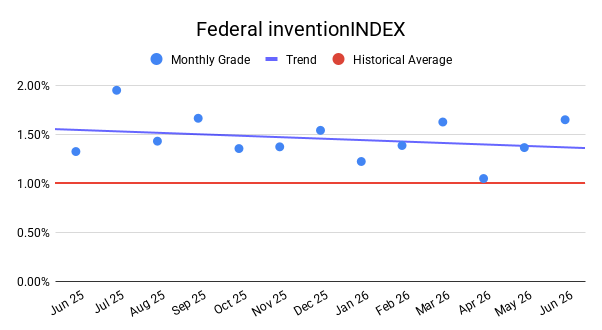
For the month of June 2026, the biotech-chemical-nano industry has seen remarkable advancements, and the standout innovation is the “Therapeutic agent nanoparticles and methods of preparation” by Nano PharmaSolutions, Inc. This invention was selected as Patent of the Month because it solves a massive hurdle in pharmaceutical development: the poor solubility and low bioavailability of small molecule drug candidates. Typically, drug formulators rely on complex chemical additives, lipids, or volatile organic solvents to break down drug substances, which can introduce toxicity or alter chemical stability. Nano PharmaSolutions overcomes this entirely by utilizing a physical, micro-vacuum vaporization platform. This hardware platform vaporizes drug powders without causing thermal degradation and rapidly condenses the vapor into uniform nanoparticles with no added chemicals or solvents. By dramatically increasing the surface area of the drug purely through physical nanosizing, this technology enhances the dissolution rate and therapeutic efficacy of life saving medications, offering a cleaner and more efficient pipeline for preclinical and clinical drug development.
The practical applications of this physical nanotechnology platform present excellent opportunities for companies to claim the Research and Development (R&D) Tax Credit in the United States. Scaling a micro-vacuum vaporization system to systematically manufacture uniform nanodrug formulations introduces significant technical uncertainties. Engineering and scientific teams must spend substantial time iteratively testing individual drug substances to precisely determine their unique thermodynamic triple points and vaporization kinetics without causing molecular breakdown. Additionally, developing specialized automated deposition controls and establishing optimal vacuum-pressure parameters for high throughput manufacturing require extensive modeling and prototype validation. The custom software development needed to synchronize the hardware filters and real time monitoring arrays also qualifies. All of these systematic experimental activities, along with the associated employee wages, supply costs, and contractor fees, satisfy the criteria under Section 41 of the Internal Revenue Code, allowing pharmaceutical and nanotechnology innovators to qualify for valuable tax credits to sustain their research efforts.