Industry Case Studies in Kansas City, Kansas
To fully grasp the application of federal and state R&D tax credits, it is necessary to examine the specific industrial ecosystem of Kansas City, Kansas (Wyandotte County). The region occupies a highly strategic geographic position at the confluence of the Kansas and Missouri rivers, placing it within 250 miles of both the geographic and population centers of the United States. This location has historically attracted massive industrial investment, creating an environment ripe for continuous technological innovation. The following five case studies illustrate how specific industries deeply rooted in the Kansas City, Kansas economy engage in qualified research activities that meet the stringent requirements of both the United States federal tax code and the Kansas State R&D tax credit framework.
Case Study 1: Bioscience and Animal Health Vaccine Development
The legacy of Kansas City, Kansas, as an agricultural and meatpacking epicenter laid the foundation for its modern dominance in the biological sciences. Historically, Kansas City operated as the world’s second-largest meatpacking hub, trailing only Chicago. The massive Kansas City Stockyards catalyzed early innovations in supply chain logistics and animal handling. Over the decades, this intense concentration of agricultural processing transitioned into advanced veterinary medicine and bioscience. Today, the Kansas City metropolitan area is the anchor of the “KC Animal Health Corridor,” a region stretching from Manhattan, Kansas, to Columbia, Missouri, housing over 300 animal health companies. This corridor accounts for approximately 56% of total worldwide animal health, diagnostics, and pet food sales.
Companies such as Ceva Animal Health operate extensive campuses within this corridor, driving massive capital investments to develop preventative veterinary medicine. A representative bioscience firm in the area operating a Biosafety Level 2 (BSL-2) laboratory engages in the design and formulation of novel vector vaccines for poultry and swine. The technological examples of this research include isolating pathogenic strains, engineering viral vectors, conducting in-vitro efficacy testing, and scaling up biological fermentation processes from bench-scale to full commercial bioreactors.
Under United States federal law, these activities effortlessly satisfy the statutory requirements of Internal Revenue Code (IRC) Section 41. The development of a novel vector vaccine meets the “Technological in Nature” test because the activities rely fundamentally on the principles of biology, chemistry, and genetics. The “Process of Experimentation” is inherently documented through strict United States Department of Agriculture (USDA) and Food and Drug Administration (FDA) regulatory compliance, which mandates multiple phases of clinical trials, dose-response modeling, and systematic trial and error to establish safety and efficacy profiles. The eligible Qualified Research Expenses (QREs) for this firm would include the W-2 Box 1 wages of staff virologists, veterinarians, and PhD researchers, as well as the substantial costs of laboratory supplies, chemical reagents, and biological substrates consumed during testing.
Applying the law of the Kansas State, the firm can leverage K.S.A. 79-32,182b to claim a 10% credit on its incremental QREs over its established three-year base period. Given the massive capital expenditures required for biological facility expansions—such as a $20 million physical plant upgrade for vaccine production—the firm may temporarily operate in a net operating loss (NOL) position. The post-2022 transferability provision detailed in Kansas Department of Revenue (KDOR) Notice 23-09 becomes exceptionally valuable here. The firm can execute a Form K-204 (Research and Development Credit Application) and Form K-260 (Kansas Tax Credit Transfer Notification Form) to transfer its earned Kansas R&D credit to a profitable third-party entity. This administrative mechanism effectively injects immediate, non-dilutive cash capital back into the firm’s ongoing clinical research programs, directly fulfilling the legislative intent of the Kansas R&D statute to foster domestic innovation.
Case Study 2: Automotive Assembly and Manufacturing Process Engineering
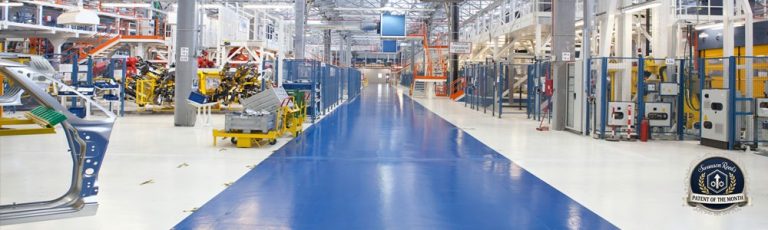
The automotive industry is deeply woven into the fabric of Wyandotte County, specifically within the Fairfax Industrial District. The district’s development traces back to an 1880 flood that shifted the Missouri River channel, creating an area initially known as Goose Island. Following a 1909 United States Supreme Court decision granting the land to Kansas, the area was developed into a robust industrial zone. During World War II, the Fairfax district became an engine of American industrial might when North American Aviation established a bomber production plant that manufactured over 6,000 B-25 Mitchell bombers. Concurrently, companies like the Darby Corporation pioneered advancements in steel fabrication for military applications.
Following the conclusion of the war, General Motors (GM) acquired the bomber plant and converted it into a mass-production automobile assembly facility. The GM Fairfax Assembly Plant remains one of the largest employers in the region, acting as a gravitational center for a vast network of tier-one automotive suppliers and precision tooling companies. With over $5.5 billion in recent manufacturing investments, including retooling for electric vehicle (EV) production alongside internal combustion engine (ICE) vehicles, the facility requires continuous advanced manufacturing engineering.
A tier-one supplier operating in the Fairfax district engages in the design of automated robotic welding sequences, the engineering of new heavy metal stamping dies, and the development of cross-platform assembly lines capable of handling both traditional engines and high-voltage EV battery architectures. This engineering process requires complex finite element analysis (FEA) to ensure the structural integrity of stamped parts and the development of programmable logic controller (PLC) coding for automated material handling systems.
From a federal tax perspective, adapting an existing assembly line to integrate novel EV components introduces significant technical uncertainty regarding the method of development, thus satisfying the requirements of IRC Section 41. The engineering costs associated with developing prototype stamping molds and testing robotic arm tolerances qualify as R&D. Crucially, the precedent established in the United States Tax Court case TG Missouri Corp v. Commissioner guides the eligibility of these tooling costs. The court clarified the boundaries between depreciable capital expenditures and consumable supplies, allowing early-stage prototype tooling and mold modifications to qualify under the supply or contract research provisions of IRC Section 41(b) as long as they are not capitalized and depreciated during the experimental phase. However, the taxpayer must be careful to separate routine production maintenance from true process experimentation to satisfy the “substantially all” requirement established in Little Sandy Coal v. Commissioner.
At the state level, the wages of industrial engineers, tooling specialists, and manufacturing technicians evaluating these production layouts qualify for the 10% Kansas credit. Automotive manufacturing is highly cyclical, and during years of heavy capital retooling, taxable income may be suppressed. The ability to transfer the Kansas credit ensures that the economic incentive to innovate manufacturing processes within Wyandotte County remains potent regardless of the corporation’s immediate state tax liability profile.
Case Study 3: Value-Added Food Processing and Formulation
Transitioning from its historical legacy as an agricultural shipping point, Wyandotte County has fostered a massive ecosystem of value-added food manufacturers, co-packers, and commercial bakeries. Companies ranging from corporate giants like Kellogg’s—which has a long history of cereal formulation and established the W.K. Kellogg Institute for Food and Nutrition Research—to specialized local producers like Spicin Foods utilize the region’s agricultural proximity to innovate in the Consumer Packaged Goods (CPG) sector. Spicin Foods, for example, transitioned from a micro-batch hot sauce producer into a major co-packing facility with a dedicated test kitchen and R&D team focused on scaling recipes for national retail distribution.
A specialty condiment manufacturer engages in the formulation of new organic, low-sodium sauces intended for commercial distribution. The required research activities include adjusting ingredient profiles to achieve a precise Brix level (sugar content) and pH balance for shelf stability without the use of chemical preservatives. The R&D team conducts sensory testing, microbial challenge studies, and scale-up engineering to transition the recipe from a small test-kitchen batch to a massive commercial steam-jacketed kettle without compromising flavor viscosity or thermal degradation.
Under the United States federal tax code, food science relies heavily on the biological and physical sciences, easily satisfying the technological in nature test. The iterative process of altering formulations, testing shelf-life stability under various thermal conditions, and evaluating thermal processing alternatives constitutes a systematic process of experimentation. Following the Little Sandy Coal ruling, the food manufacturer must ensure that its food scientists and quality assurance technicians maintain detailed logs of each test batch. These logs must record the specific variables altered (such as acid concentration or cooking temperature) and the results achieved, to substantiate that at least 80% of their claimed time was spent actively experimenting to overcome objective uncertainties, rather than conducting routine quality control on existing, established product lines.
Applying the law of the Kansas State, small to mid-sized pass-through entities operating in the food space can now access the R&D credit due to the enactment of House Bill 2239. Previously, this incentive was walled off exclusively for C-corporations. Under current K.S.A. 79-32,182b regulations, a family-owned food processing LLC in Kansas City, Kansas, can calculate its incremental QREs on Schedule K-53 and flow the 10% credit through to the individual owners’ Kansas personal income tax returns. This structural shift significantly reduces the personal tax liabilities of local entrepreneurs, freeing up capital for reinvestment into test kitchen automation and advanced sensory testing equipment.
Case Study 4: Advanced Building Materials and Insulation Manufacturing
The post-World War II housing boom required massive industrial capacity for the production of building materials. The Fairfax Industrial District, with its extensive rail transport infrastructure and central location, attracted massive industrial manufacturers. Companies like Owens Corning and CertainTeed established extensive manufacturing facilities in the area to produce fiberglass insulation, asphalt shingles, and advanced composites. The commitment to material science in the region continues today; Owens Corning recently announced a multi-million dollar investment to build a new, state-of-the-art flexible fiberglass insulation line in the Fairfax district.
A building materials manufacturer engages in highly complex materials science R&D to develop a next-generation, high-density fiberglass insulation. The technical objective is to increase thermal resistance (R-value) while utilizing a novel, bio-based chemical binder to replace traditional formaldehyde. The required R&D involves advanced chemical engineering to test binder adhesion, aerodynamic modeling of the glass fiber spinning process, and rigorous environmental testing to ensure moisture resistance and acoustic dampening under extreme conditions. Furthermore, the company invests heavily in process engineering to minimize waste-to-landfill metrics and reduce carbon emissions during the thermal curing process.
Federal eligibility for these activities is straightforward; developing new chemical binders and altering the physical properties of extruded glass fibers are textbook examples of hard science research eligible under IRC Section 41. The technical uncertainty lies in the appropriate design of the fiber matrix and the manufacturing method required to scale the bio-binder without clogging the extrusion machinery. The costs of raw materials, such as silica, cullet, and experimental chemical resins consumed in trial runs on a pilot production line, qualify as supply QREs. The United States Tax Court ruling in Phoenix Design Group, Inc. v. Commissioner provides a crucial contrast here. While the court in Phoenix Design rejected standard mechanical engineering used merely to comply with building codes as “routine engineering,” the activities of the insulation manufacturer create fundamentally new material properties. This is true discovery of technological information, strictly separated from routine quality control or aesthetic design.
For Kansas State tax purposes, the manufacturer utilizes Schedule K-53 to calculate the 10% credit. Given the massive scale of chemical inputs and engineering wages involved in a major plant expansion, the resulting credit serves to offset the immense tax burden associated with heavy domestic manufacturing. If the manufacturer is operating under a negotiated economic development agreement, they must be careful to navigate K.S.A. 79-32,224, ensuring that expenditures used to qualify for the R&D credit are not impermissibly duplicated to qualify for other specific state incentive programs.
Case Study 5: Logistics Technology and Supply Chain Automation
Because 85% of the United States population can be reached within two days via surface transport from Kansas City, Wyandotte County is recognized as a premier North American logistics hub. This geographical advantage has attracted not only physical warehousing facilities but also companies focusing intensely on the technology of logistics and supply chain optimization. Entities like MCPC, which operates a Technology Logistics Center for secure IT device lifecycle management, and CJ Logistics, which operates state-of-the-art rail-served cold storage utilizing automated Alta EXPERT refrigeration, rely heavily on proprietary software and automation to maintain their competitive advantage.
A logistics technology firm operating in Wyandotte County develops a proprietary predictive routing algorithm and an automated warehouse management system (WMS). The software utilizes advanced machine learning to predict cold-storage temperature fluctuations based on external weather data and incoming rail freight schedules. The system is designed to automatically adjust the thermodynamic output of the refrigeration systems to minimize energy draw while maintaining strict food safety standards. Concurrently, the firm develops internal-use software (IUS) to automate the secure lifecycle management, deployment, and cryptographic data wiping of thousands of enterprise IT devices.
Under United States federal law, software development activities are scrutinized under specific and highly restrictive Internal Use Software (IUS) regulations within IRC Section 41. To qualify, the software must meet the standard Four-Part Test, but it must also satisfy an additional “High Threshold of Innovation” test. This secondary test requires that the software be highly innovative (resulting in a substantial and measurable reduction in cost or improvement in speed), involve significant economic risk (meaning substantial resources are committed with a high degree of technical uncertainty regarding success), and must not be commercially available for use by the taxpayer off the shelf. Writing bespoke machine learning algorithms for predictive cold-storage thermodynamics and complex hardware lifecycle automation meets these stringent criteria, allowing the wages of the software developers and systems architects to be claimed as QREs.
Applying the Kansas State framework, the ability to claim the R&D credit is crucial for managing the high cash burn rates typical of technology startups. Under the K.S.A. 79-32,182b transferability provisions, a logistics technology firm that carries high W-2 software engineering wages but possesses no immediate taxable income due to heavy initial server and infrastructure outlays can transfer its R&D credit to a profitable entity. This mechanism creates a secondary market for tax credits, fostering a dynamic venture capital and technology startup ecosystem within Wyandotte County by providing immediate liquidity for continued software development.
| Industry Sector in Kansas City, KS | Primary R&D Domain | Federal Tax Code Focus Area | Kansas State Tax Benefit Mechanism |
|---|---|---|---|
| Bioscience & Animal Health | Vaccine vectors, biological scaling | Clinical trial documentation, supply QREs | NOL monetization via credit transfer |
| Automotive Assembly | Robotic tooling, EV architecture | TG Missouri mold depreciation rules | Direct offset of corporate income tax |
| Food Processing | Shelf-life stability, scaling formulations | Separating routine QC from experimentation | Flow-through entity eligibility |
| Building Materials | Bio-binders, fiberglass composites | Phoenix Design contrast (novel materials) | Large-scale chemical supply QRE capture |
| Logistics Technology | Predictive algorithms, automation | Internal Use Software (IUS) high threshold test | Startup cash flow via credit transfer |
Detailed Analysis of the United States Federal R&D Tax Credit Framework
The federal R&D tax credit represents a highly complex area of the Internal Revenue Code, requiring a rigorous alignment of scientific, engineering, and financial data to substantiate claims against strict statutory tests. The Internal Revenue Service (IRS) frequently scrutinizes these claims, necessitating a comprehensive understanding of the underlying legislation and the evolution of the tax code.
The Mechanics of IRC Section 41 and Section 174
The federal R&D tax credit is governed primarily by IRC Section 41, which provides a dollar-for-dollar reduction in a taxpayer’s federal income tax liability based on incremental increases in qualified research spending. Historically, the costs associated with qualified research activities were often immediately deductible under IRC Section 174 as research and experimental expenditures. However, the legislative landscape was fundamentally altered by the Tax Cuts and Jobs Act (TCJA). Under current law, Section 174 requires taxpayers to capitalize and amortize specified research or experimental expenditures over a period of five years for domestic research, or fifteen years for foreign research, beginning with the midpoint of the taxable year in which the specified expenses are paid or incurred. This mandatory amortization has increased the cash-flow burden on innovative companies, making the utilization of the Section 41 credit even more vital to offset the loss of the immediate deduction.
The foundation of the federal R&D tax credit rests upon the “Four-Part Test,” outlined explicitly in IRC Section 41. Every discrete business component—defined by statute as a product, process, computer software, technique, formula, or invention—must independently satisfy all four criteria to be deemed eligible for the credit.
| The Four-Part Test Criteria | Statutory Requirement Description | IRS Scrutiny Focus Area |
|---|---|---|
| 1. Permitted Purpose | The research must be intended to develop a new or improved business component regarding functionality, performance, reliability, or quality. | Excludes activities related solely to style, taste, cosmetic, or seasonal design factors. |
| 2. Elimination of Uncertainty | The taxpayer must encounter technical uncertainty regarding the capability, method, or appropriate design of the component. | If the knowledge to achieve the outcome is objectively established in the industry, it fails. |
| 3. Process of Experimentation | Must involve a systematic process (modeling, simulation, trial/error) to evaluate one or more alternatives to overcome the uncertainty. | The “Substantially All” rule requires 80% of activities to be direct experimentation. |
| 4. Technological in Nature | The research must fundamentally rely on the principles of the “hard” sciences (physics, biology, engineering, computer science). | Soft sciences (psychology, economics, market research) are strictly prohibited. |
The IRS explicitly excludes certain activities from qualifying for the credit, regardless of whether they meet the Four-Part Test. As noted in the case study of clothing design (where the court ruled against LMI’s clothing design and development), any research undertaken for style, taste, cosmetic, or seasonal design factors is statutorily excluded by IRC Section 41(d)(3)(B). Furthermore, research conducted after the commercial production of the business component, adaptation of an existing business component to a particular customer’s requirement, and duplication of an existing business component are all excluded activities.
Qualified Research Expenses (QREs)
If a project satisfies the Four-Part Test, the taxpayer may capture specific costs associated with the activity to calculate the credit. IRC Section 41(b) defines Qualified Research Expenses (QREs) as the sum of in-house research expenses and contract research expenses.
In-house expenses primarily consist of wages and supplies. Wage QREs represent the portion of W-2 Box 1 wages paid to employees who are directly engaged in the qualified research, directly supervising the research, or directly supporting the research activities. The IRS requires precise allocation of these wages based on actual time spent on qualified activities. Supply QREs include tangible, non-depreciable materials consumed or destroyed during the research process, such as the chemical substrates used by a bioscience firm or the experimental resins used in fiberglass manufacturing. Costs associated with renting external cloud computing or server space specifically utilized for conducting research also qualify.
Contract research expenses represent payments made to third-party vendors, engineering contractors, or testing laboratories to perform qualified research on the taxpayer’s behalf. To prevent double-dipping, the tax code generally limits the inclusion of contract research expenses to 65% of the total amount paid to the third party. Crucially, the taxpayer must bear the economic risk of the research and retain substantial rights to the intellectual property developed by the contractor to claim these expenses.
Detailed Analysis of the Kansas State R&D Tax Credit Framework
The State of Kansas offers a robust R&D tax credit designed to complement the federal incentive, rewarding companies that conduct their technological development within the state’s borders. The Kansas program is governed by K.S.A. 79-32,182b and is administered by the Kansas Department of Revenue (KDOR).
Historically, the Kansas R&D credit was relatively restrictive compared to its federal counterpart. Prior to recent legislative modernization, the credit was calculated at 6.5% of the incremental increase in R&D spending over a base period, and it was exclusively available to C-corporations subject to the corporate income tax under K.S.A. 79-32,110. This structure systematically excluded the vast majority of small and medium-sized enterprises (SMEs) operating as pass-through entities from benefiting from the incentive.
Post-2022 Statutory Enhancements (House Bill 2239)
The enactment of House Bill 2239 during the 2022 Kansas Legislative Session fundamentally transformed the Kansas R&D tax credit landscape, aligning it more closely with the needs of the modern industrial economy and making it one of the most aggressive incentives in the Midwest. For all taxable years commencing after December 31, 2022 (impacting tax years 2023, 2024, and beyond), the Kansas law features three critical enhancements.
First, the statutory credit rate was increased from 6.5% to 10%. The credit is calculated as 10% of the amount by which the taxpayer’s current-year expenditures in qualified research and development activities conducted within Kansas exceed the taxpayer’s base amount. The base amount is calculated as the average of the actual expenditures for such purposes made in the current taxable year and the preceding two taxable years (a three-year rolling average).
Second, the eligibility requirements were vastly expanded. The credit is no longer restricted to C-corporations; it is now available to all Kansas income taxpayers, including individuals, partnerships, S-corporations, limited liability companies (LLCs), and other pass-through entities. This structural shift heavily favors the privately held manufacturing and bioscience firms prevalent in Wyandotte County.
Third, and most significantly, the legislation introduced a transferability mechanism. For tax year 2023 and all tax years thereafter, a taxpayer without a current Kansas tax liability may transfer their earned R&D tax credit to any other person or entity. This allows startups and capital-intensive manufacturers operating in a net operating loss position to monetize their research activities immediately.
KDOR Administrative Procedures and Compliance
To claim the Kansas R&D credit, taxpayers must ensure that all claimed expenditures are allowable under the provisions of the federal IRC. Consequently, failing the federal Four-Part Test inherently disqualifies an expenditure from the Kansas credit. The Kansas statute also contains specific exclusions, notably prohibiting the inclusion of any expenditures related to the performance of an abortion.
The administrative process requires the submission of Schedule K-53, which details the computation of the allowed credit, the calculation of average base period expenditures, and the tracking of any carryforward amounts. The credit allowed in any one tax year is limited to 25% of the total credit generated plus any applicable carryforward amount. Unused credits may be carried forward indefinitely until the total amount of the credit is used.
Due to the new transferability feature, taxpayers must navigate additional administrative procedures outlined in KDOR Notice 23-09. Taxpayers must complete Form K-204 (Research and Development Credit Application) before claiming the credit to verify eligibility. If a transfer is executed, both parties must utilize Form K-260 (Kansas Tax Credit Transfer Notification Form) to properly document the transaction with the state. The transfer rules strictly stipulate that the credit may only be transferred once, and it must be transferred in its entirety (no partial fractional transfers). The transferee claims the credit against their own Kansas income tax liability, subject to the same non-refundable status and 25% annual utilization cap as the original transferor.
United States and Kansas State Tax Administration Guidance and Case Law
The application of R&D tax credit legislation to the specific industries operating in Kansas City, Kansas, is heavily influenced by administrative guidance and rulings from the judicial system. Taxpayers must navigate these precedents when structuring their R&D activities and documenting their expenses.
Federal Case Law Precedents
Recent decisions by the United States Tax Court have clarified the evidentiary standards required to substantiate R&D claims, often ruling against taxpayers who fail to maintain rigorous documentation.
In the 2021 case Little Sandy Coal Company v. Commissioner, the court evaluated a shipbuilding company’s claim for the design of a novel tanker barge. The Tax Court ruled in favor of the IRS, establishing a strict interpretation of the “substantially all” requirement within the process of experimentation test. The court ruled that the 80% fraction must be calculated based on the activities of the employees—measuring the ratio of time spent on true experimentation versus routine construction—rather than an arbitrary assessment of the project’s overall novelty. For manufacturers in Kansas City, this ruling underscores the absolute necessity of granular, employee-level time tracking. Broad estimates of time spent on R&D are highly vulnerable to IRS disallowance if not corroborated by contemporaneous project documentation.
The 2024 decision in Phoenix Design Group, Inc. v. Commissioner further defined the boundaries of technological uncertainty. A multidisciplinary engineering firm claimed credits for designing mechanical, electrical, and plumbing systems for commercial buildings. The Tax Court agreed with the IRS that calculating load requirements and complying with standard building codes represents “routine engineering,” not hard science research. Investigatory activity must involve the attempted acquisition of information to eliminate a genuine, objective unknown within the field. This case dictates that Kansas City engineering firms cannot claim the credit simply for designing a custom product; they must prove that the design process required systematic trial and error to overcome technical hurdles that could not be solved by applying standard industry knowledge.
The treatment of tooling and manufacturing assets was addressed in TG Missouri Corp v. Commissioner. An automotive parts manufacturer claimed the costs paid to third-party toolmakers for the design and construction of production molds as supply QREs. The IRS contended these molds were depreciable assets and excluded from QREs. The Tax Court’s ruling clarified that early-stage prototype tooling and mold modifications can qualify under the supply or contract research provisions, provided the accounting and ownership contracts are structured so that the assets are not immediately capitalized and depreciated during the experimental phase.
Finally, IRC Section 41(d)(4)(H) explicitly excludes “funded research” from credit eligibility. In cases like System Technologies, Inc., the courts rigorously analyze the terms of customer contracts. Research is considered funded if the taxpayer does not bear the economic risk of failure (such as operating under a time-and-materials contract where payment is guaranteed) or if the taxpayer does not retain substantial rights to the intellectual property developed. Contract manufacturers must possess fixed-price contracts that condition payment on the successful delivery of a functional prototype, and they must legally retain the right to utilize the developed IP to claim the credit.
Kansas Administrative Guidance and Dispute Resolution
At the state level, the Kansas Department of Revenue (KDOR) frequently issues Notices, Private Letter Rulings (PLRs), and administrative guidance to interpret statutory changes. As per K.A.R. 92-19-59, a private letter ruling interprets statutes relating to a specified set of circumstances affecting a specific taxpayer, providing binding guidance for that taxpayer alone. Taxpayers embarking on highly complex, capital-intensive R&D projects in Kansas City may seek a PLR to ascertain the KDOR’s stance on specific qualification questions prior to filing.
When disputes regarding the valuation, qualification, or transfer of R&D credits cannot be resolved through the KDOR’s internal audit division, the matters are escalated to the Kansas Board of Tax Appeals (BOTA). BOTA is an independent administrative tribunal within the executive branch of the state government, acting as the highest administrative authority for matters involving state and local taxation. Orders of the state board of tax appeals are rendered in accordance with the provisions of the Kansas administrative procedure act, providing taxpayers with a neutral body to adjudicate complex technical disagreements regarding R&D eligibility under K.S.A. 79-32,182b before moving to the judicial appellate courts.
Final Thoughts and Strategic Compliance Recommendations
The Research and Development tax credit is a powerful economic tool for businesses operating in Kansas City, Kansas. The combination of the federal IRC Section 41 credit and the newly enhanced, highly lucrative 10% transferable Kansas state credit under K.S.A. 79-32,182b provides a massive financial incentive to anchor advanced manufacturing, bioscience, and logistics technology within Wyandotte County. However, the complexity of the statutory requirements and the increasing aggressiveness of IRS and KDOR audits demand an equally sophisticated approach to tax compliance.
To survive administrative scrutiny, taxpayers must move away from retrospective estimations and implement contemporaneous documentation systems. Employee timesheets must track hours by specific project phases (e.g., concept ideation, prototype testing, process refinement) to mathematically satisfy the 80% “substantially all” requirement dictated by Little Sandy Coal. Technical documentation—including laboratory notebooks, CAD schematics, and failure analysis reports—must clearly articulate the specific technical uncertainties encountered and the scientific methods utilized to resolve them, directly refuting any claims of “routine engineering” as seen in Phoenix Design. Finally, legal counsel must routinely review all third-party contractor and customer agreements to ensure compliance with the economic risk and intellectual property retention requirements of the funded research exclusion. By mastering the interplay between engineering execution and tax jurisprudence, businesses in Kansas City can optimize their financial posture and drive the next generation of industrial innovation.
The information in this study is current as of the date of publication, and is provided for information purposes only. Although we do our absolute best in our attempts to avoid errors, we cannot guarantee that errors are not present in this study. Please contact a Swanson Reed member of staff, or seek independent legal advice to further understand how this information applies to your circumstances.